Success requires more than just cutting-edge technology or ambitious policy targets.
In Yokohama, our progress is driven by trust, a form of capital built through decades of dialogue with citizens and businesses. That trust was the foundation of our past success in waste reduction and continues to drive our evolution towards a circular city.
In this second installment of our two-part series on Yokohama’s circular strategy, we explore how the city is moving beyond basic recycling toward creative, cross-sector value creation. We spoke with city officials leading these initiatives to understand how Yokohama is transforming urban spaces, leveraging data, and building a collaborative network across Asia.
Read Part 1: Yokohama’s Circular Journey: How Yokohama Empowers Civic Engagement
Adaptive Reuse: Turning Urban Memory into Future Value
In a circular economy, it isn’t just physical materials that circulate, but also the “time” and “memory” embedded within a city.
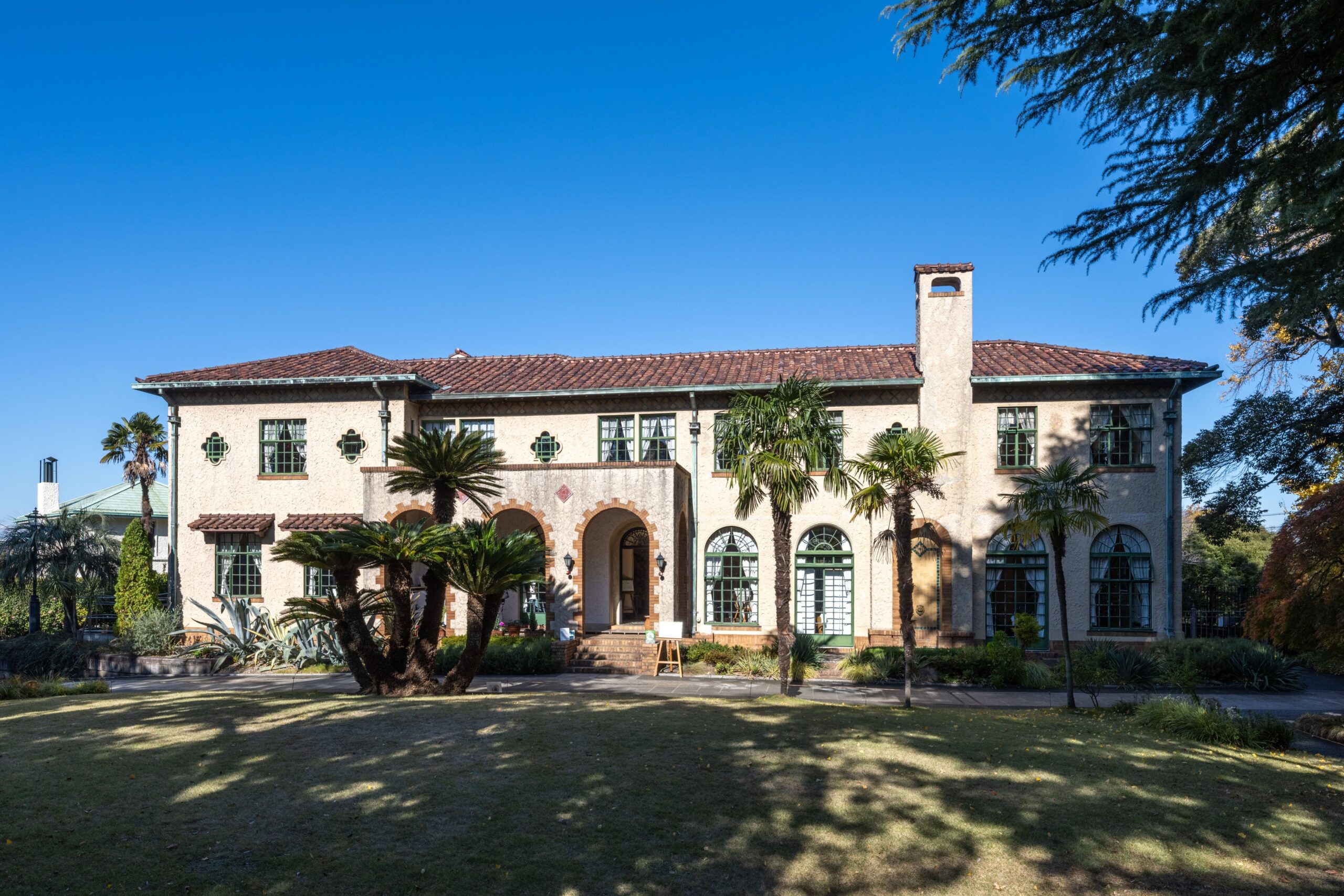
Yokohama has long championed an approach to urban development that honors its history. Heritage sites like Berrick Hall and the Old Ooka Family Residence have been preserved as active public spaces. Similarly, the Yokohama Red Brick Warehouse and the Kishamichi Promenade, a former railway track, have been restored and repurposed as cultural and commercial hubs, attracting over 10 million visitors annually.
This approach is embedded in our Creative City Yokohama initiative. We view historical buildings and underused real estate not as liabilities, but as cultural assets that can spark new economic vitality.
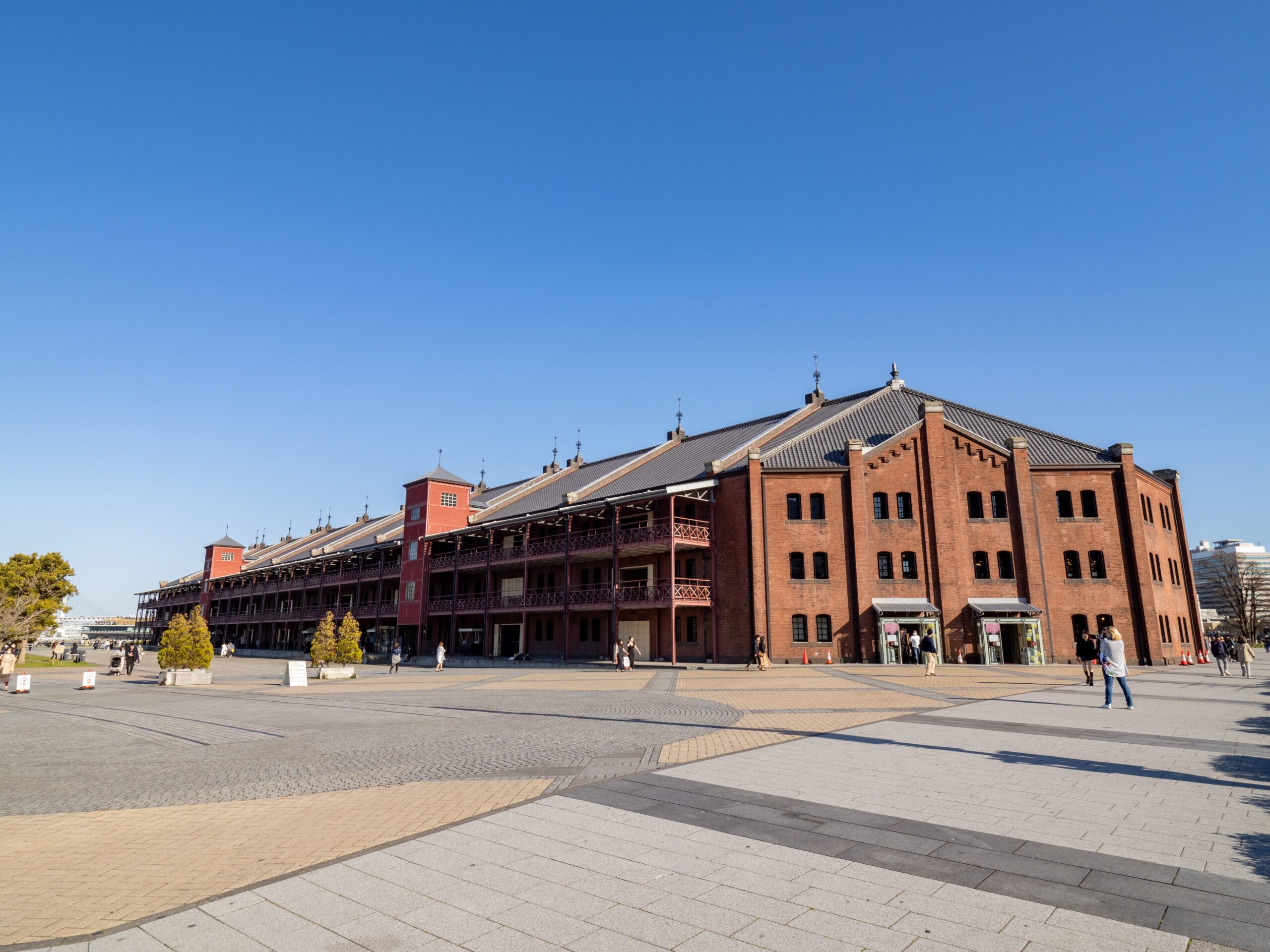
Revitalizing the City Center and Beyond
While the Minato Mirai 21 district, known as MM21, developed rapidly as a modern waterfront hub, the neighbouring historic Kannai district struggled with aging architecture and rising office vacancies. To counter this, the city adopted “The Creative City” vision, applying adaptive reuse to breathe new life into these spaces.
A prime example of this initiative is BankPark YOKOHAMA. Housed in the former Daiichi Bank Yokohama Branch, it officially opened in autumn 2025 through a public-private partnership.
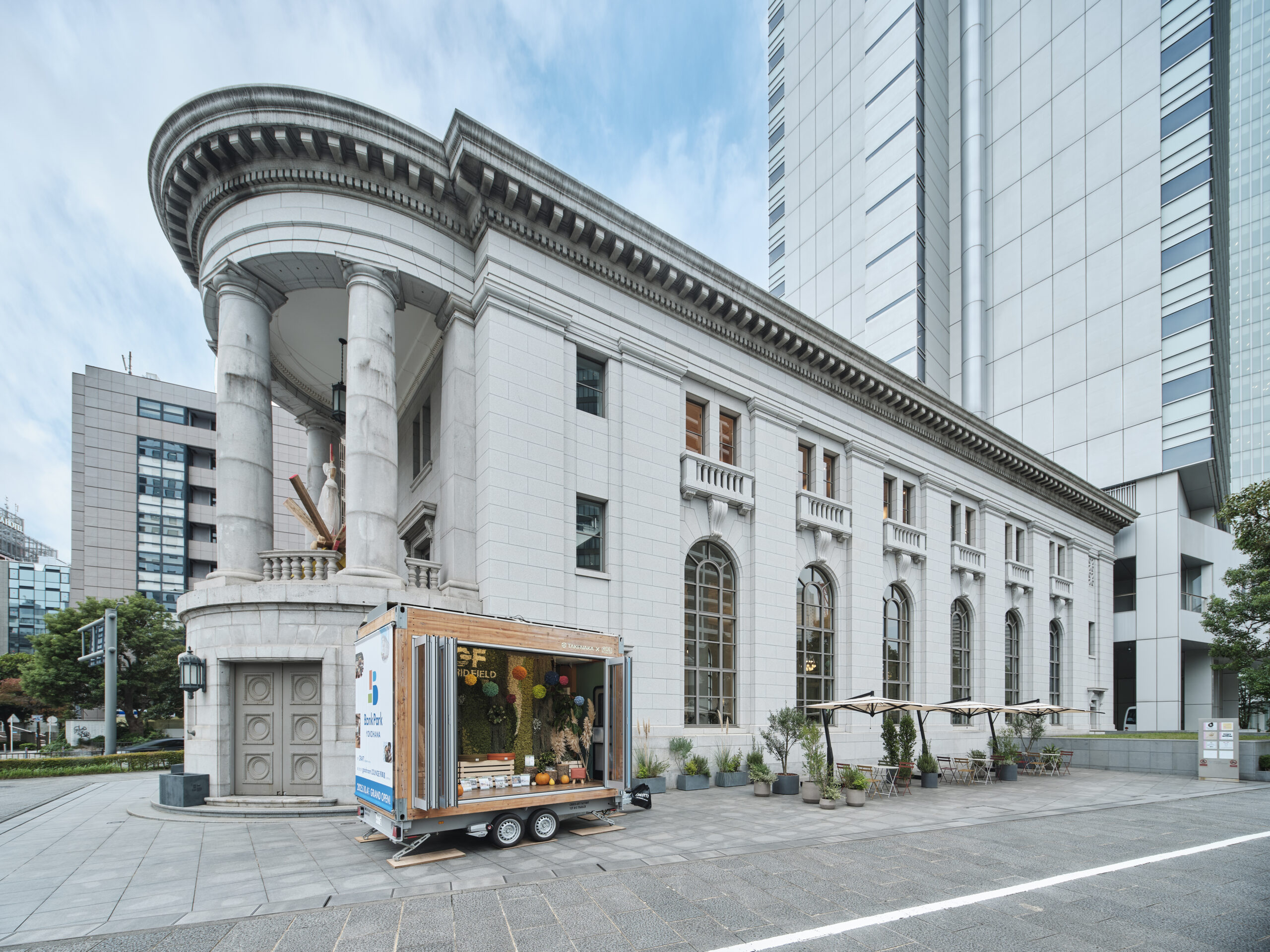
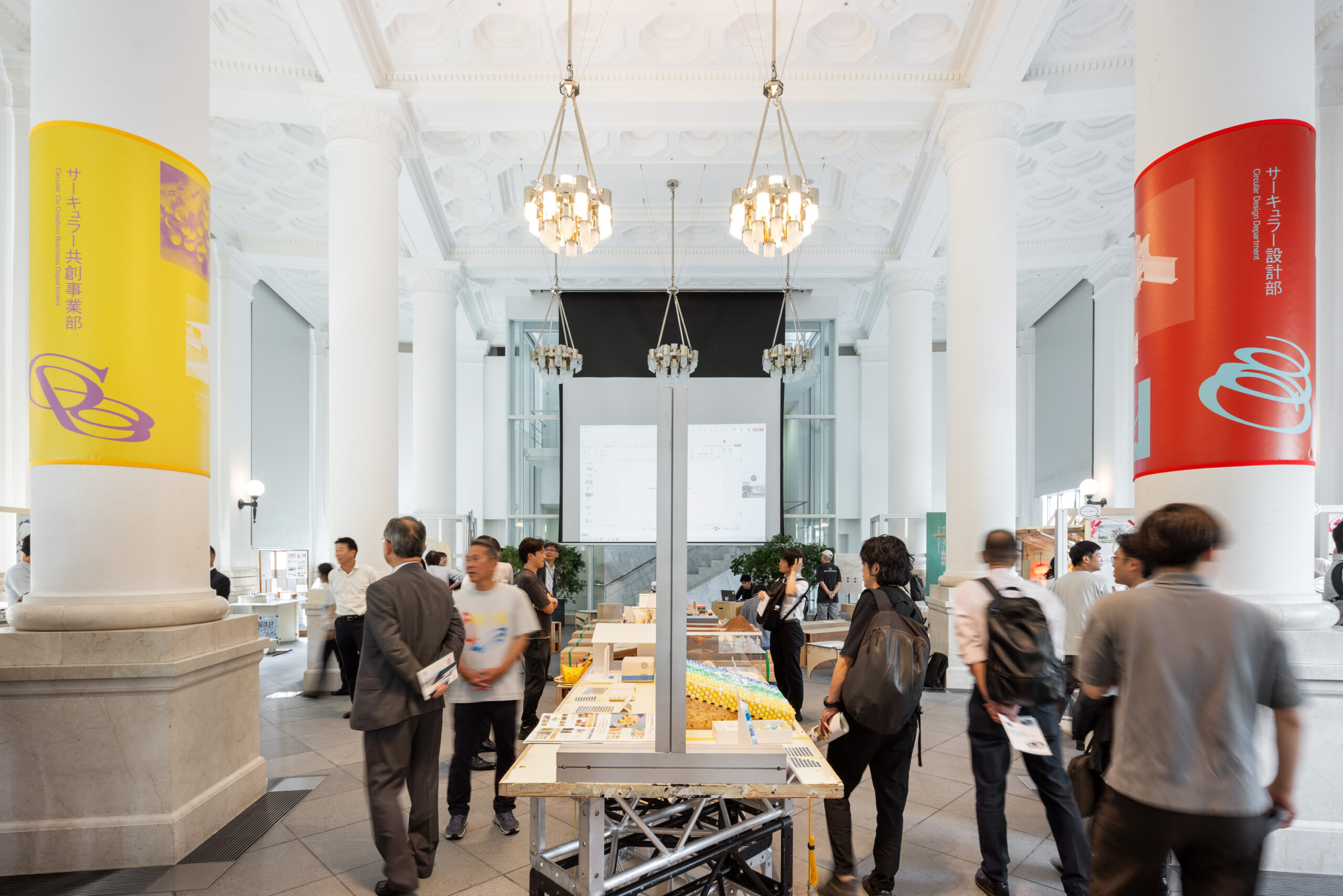
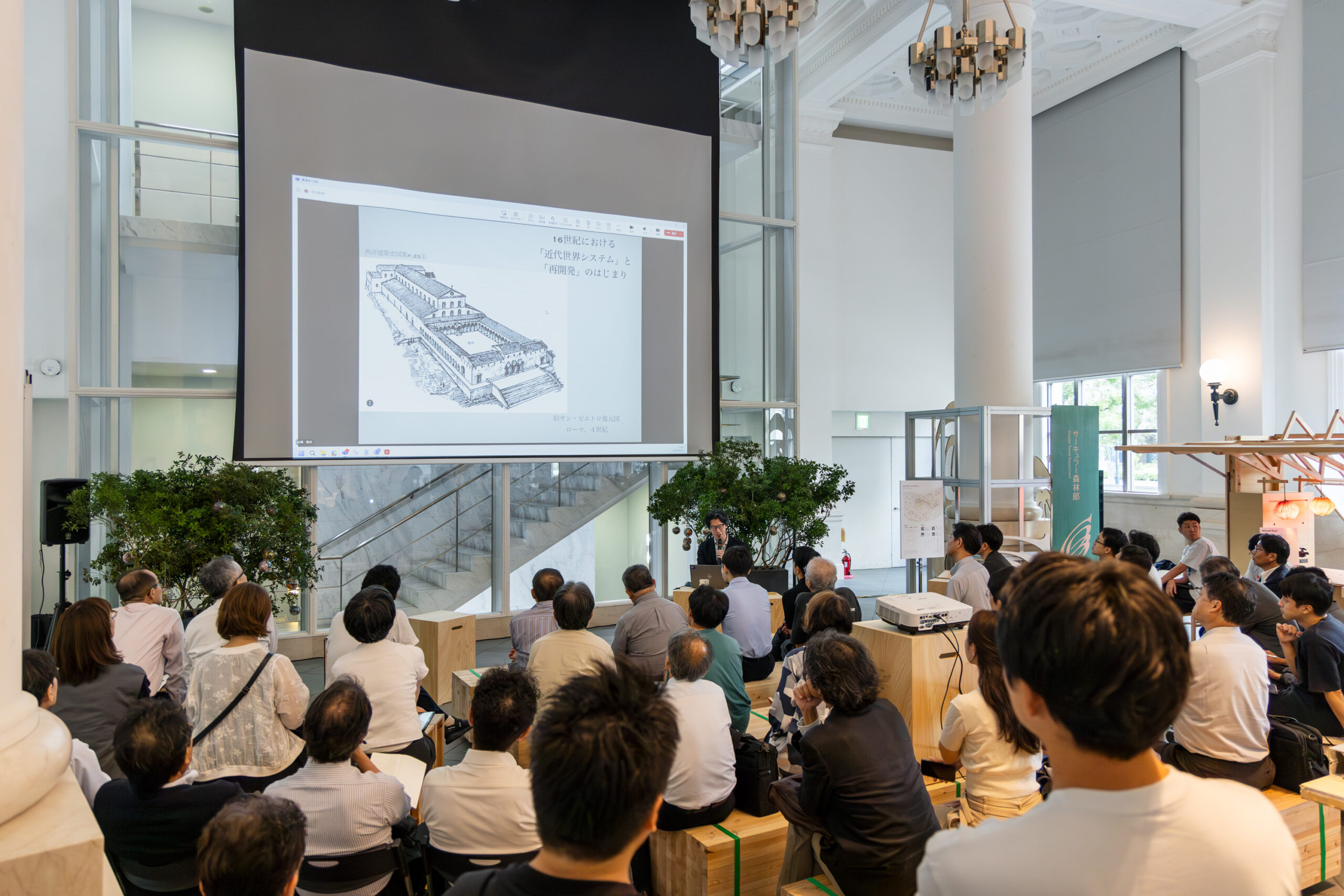
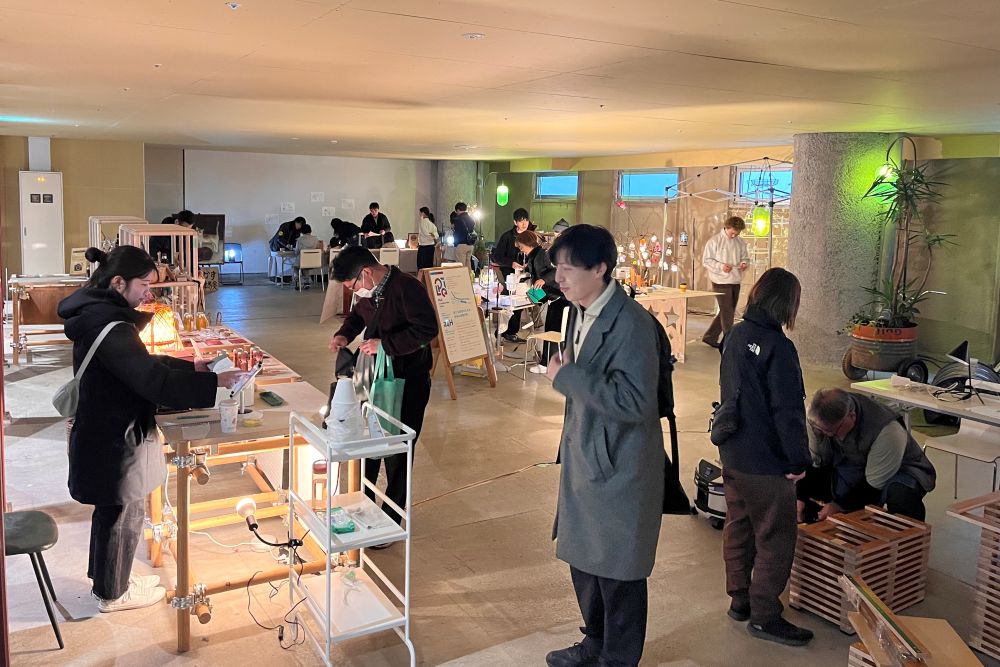
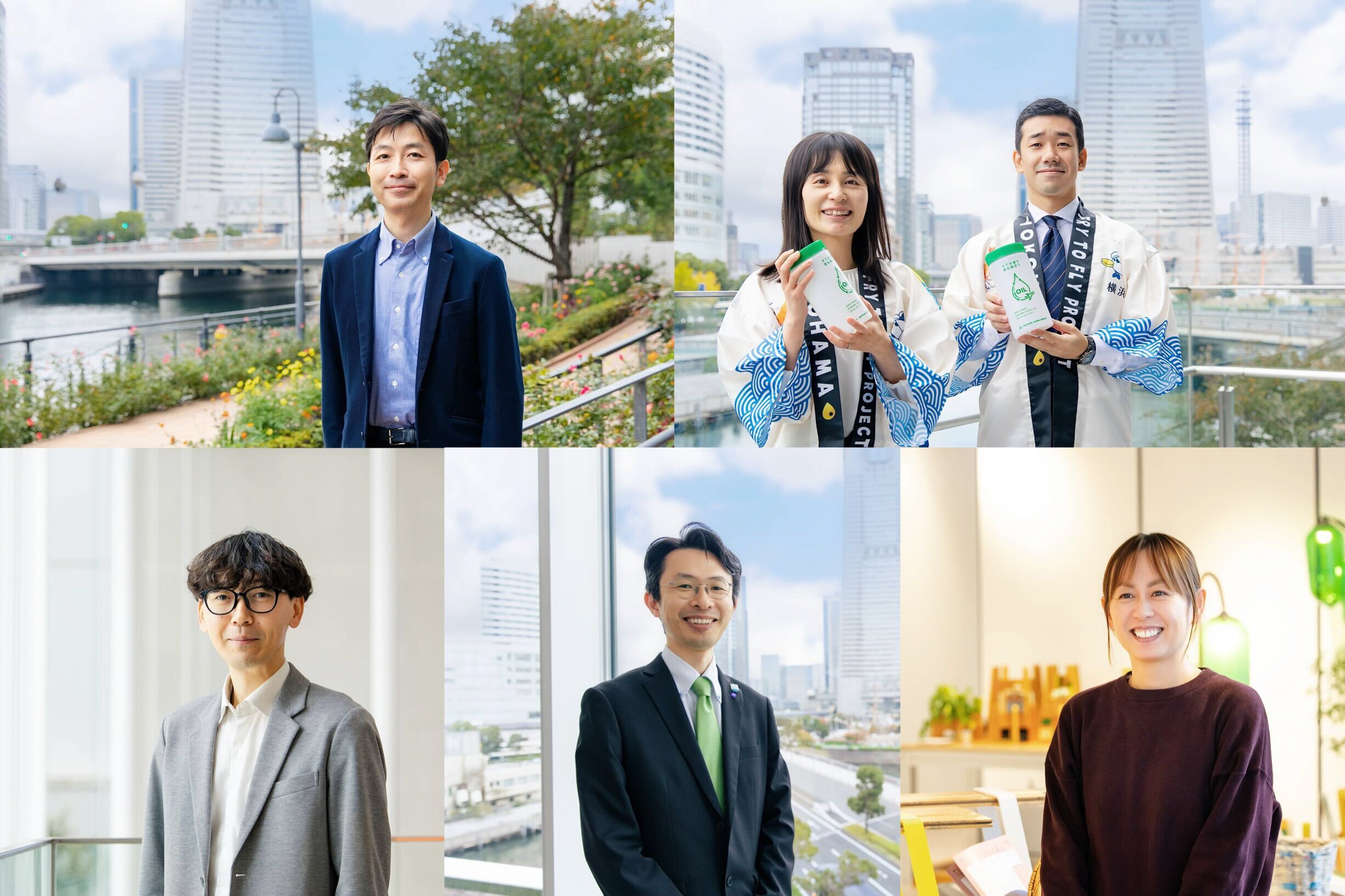
“The Creative City initiative began as a way to use culture and art to revitalize historical buildings and idle spaces that were at risk of being lost. Looking back, this aligns perfectly with the circular economy philosophy of reusing existing assets.
“Moving forward, we aim to expand these initiatives from the waterfront to suburban areas like Hoshikawa. By connecting underutilized spaces with the creative ideas of private enterprises, we hope to generate new cycles of value, strengthen community ties, and energize the entire city.”
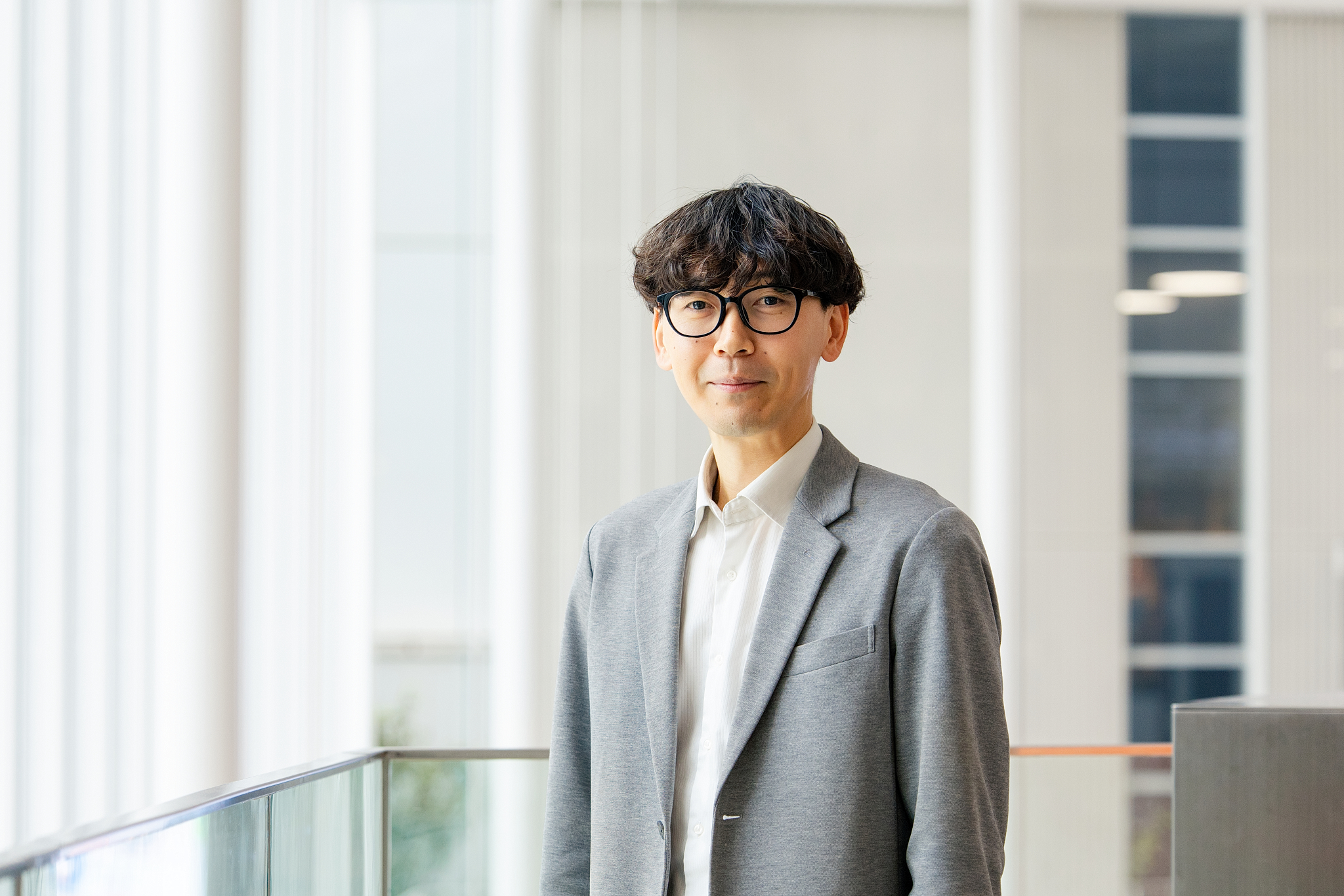
The REYO Project: Upcycling Shared Memories
Memory and time become resources for the city.
This philosophy is also being applied to public infrastructure through the REYO (Yokohama City Reuse Material) Project, led by the Housing and Architecture Bureau.
REYO upcycles materials from public buildings, such as timber recovered during school renovations, into new products. The concept is “Reborn materials, lasting memories.” By collaborating with private designers and manufacturers, Yokohama City ensures that waste from public construction finds a second life.
One flagship initiative focuses on upcycling flooring from school gymnasiums. Local businesses transform the wood into commercial furniture, children’s play equipment, and other creative items that preserve the material’s character.
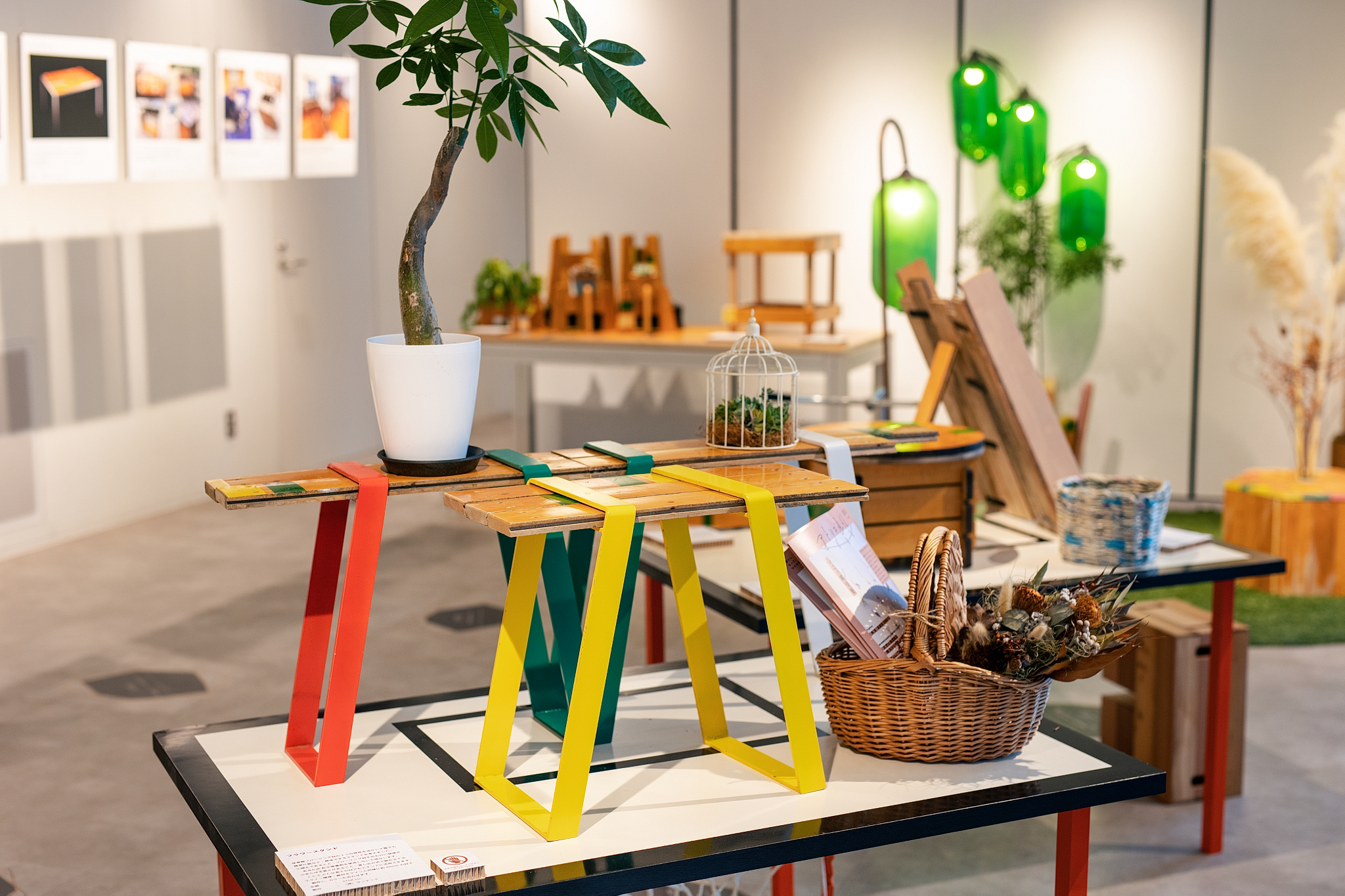
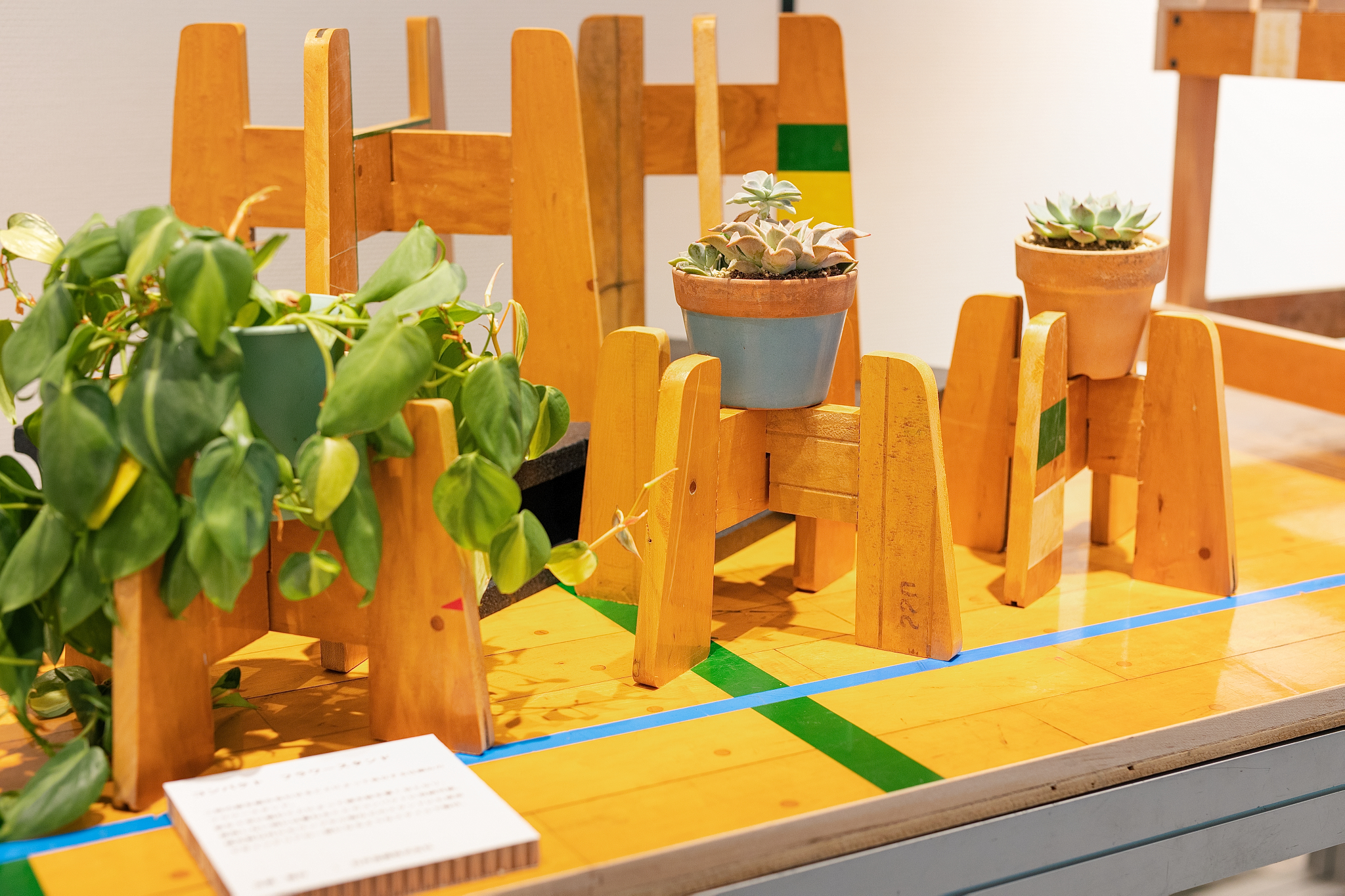
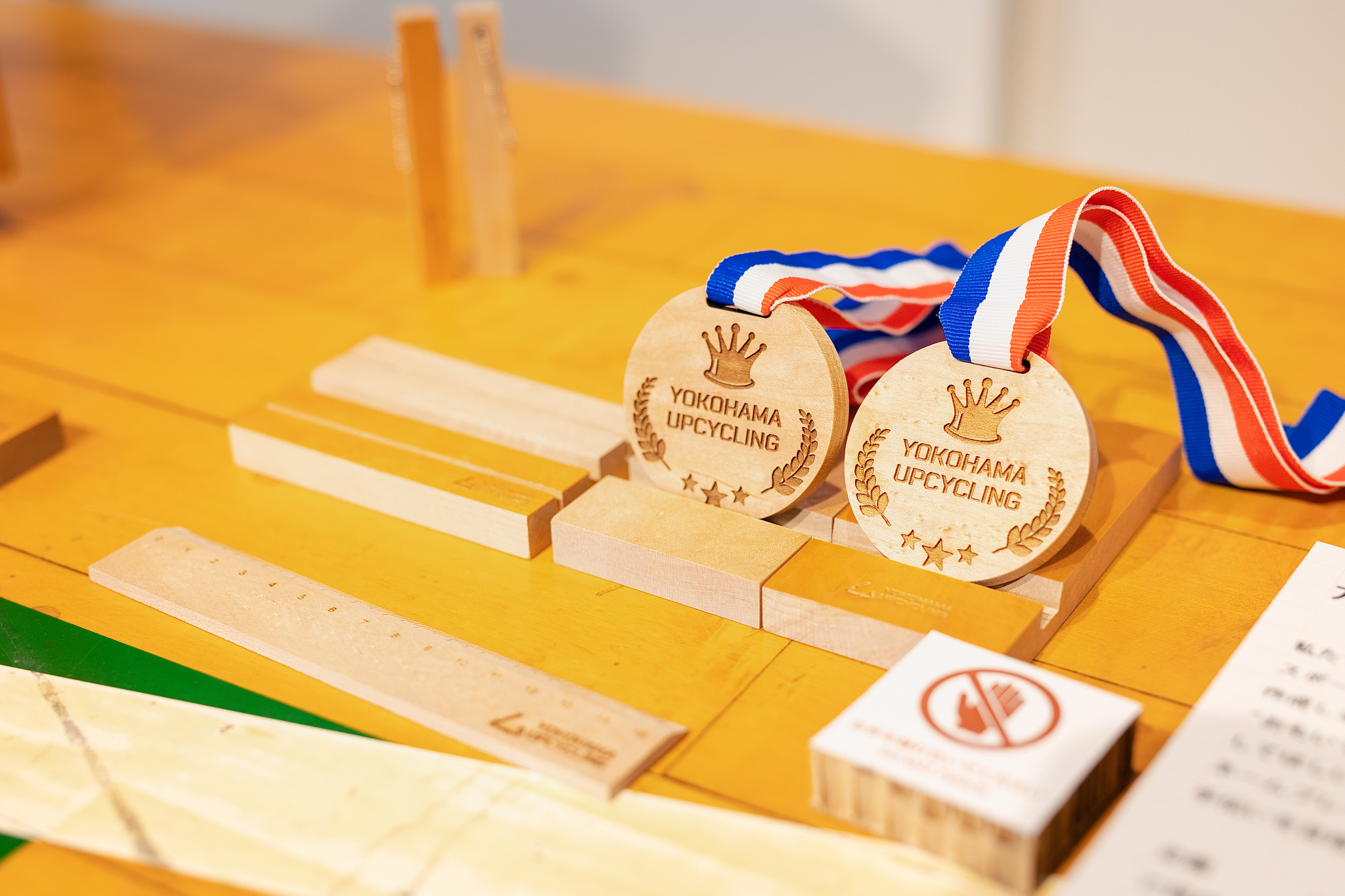
“School gymnasium floors speak the language of memory. The sound of a bouncing ball, the feeling of running across the court—those memories are etched into the wood. When people see the upcycled products, they often say it feels nostalgic or calming.
“REYO is an effort to visualize this invisible value and pass it on to the future. This is only possible thanks to the creativity and technology of our private sector partners. Their efforts were instrumental in helping us receive the Japan Wood Design Award 2025. We now plan to expand beyond gym floors to other public building materials, widening the circle of circulation.”
Minato Mirai 21: An Urban Lab for Public-Private Co-creation
How do we implement a circular philosophy within a complex, high-density economic zone?
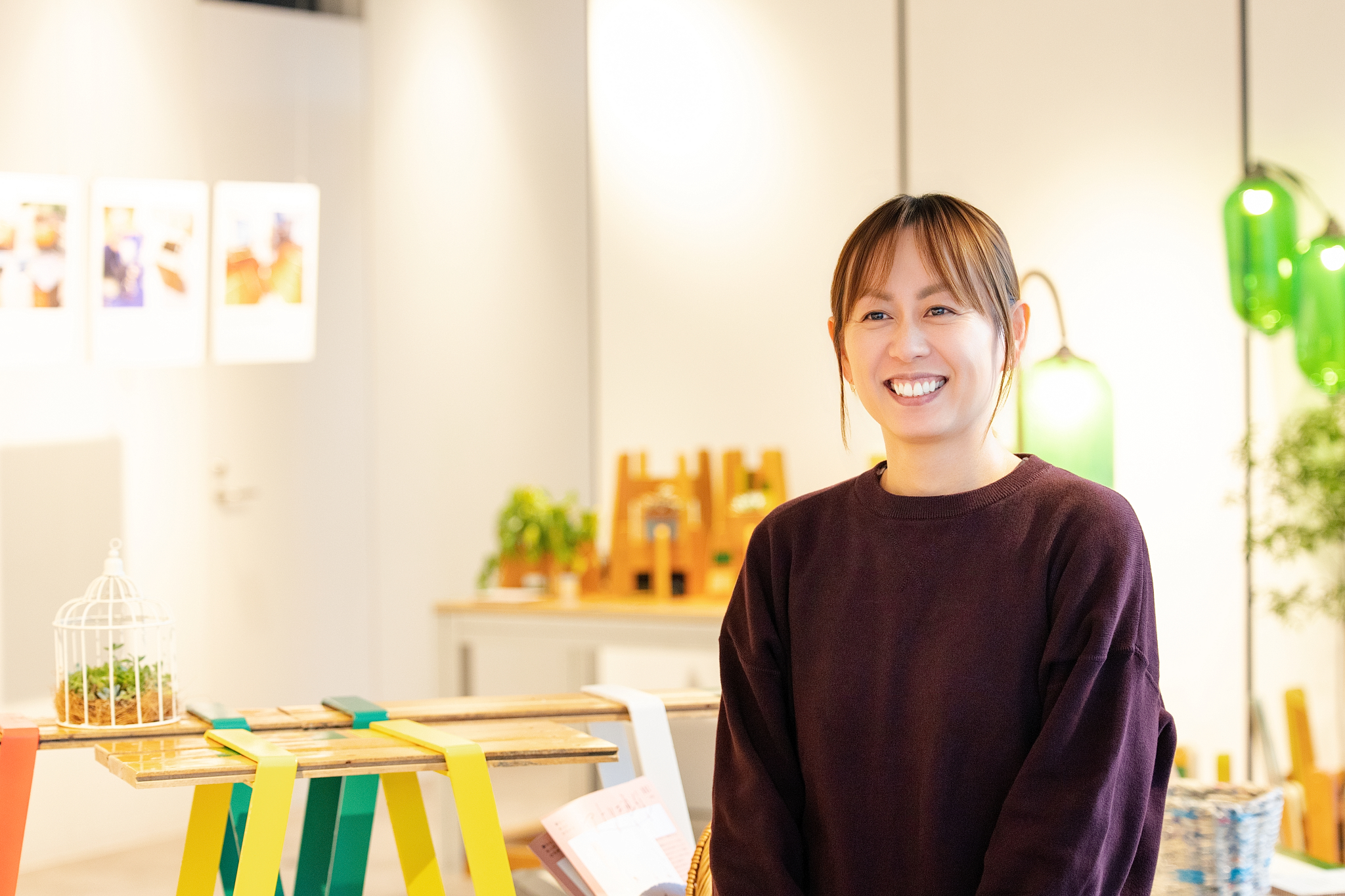
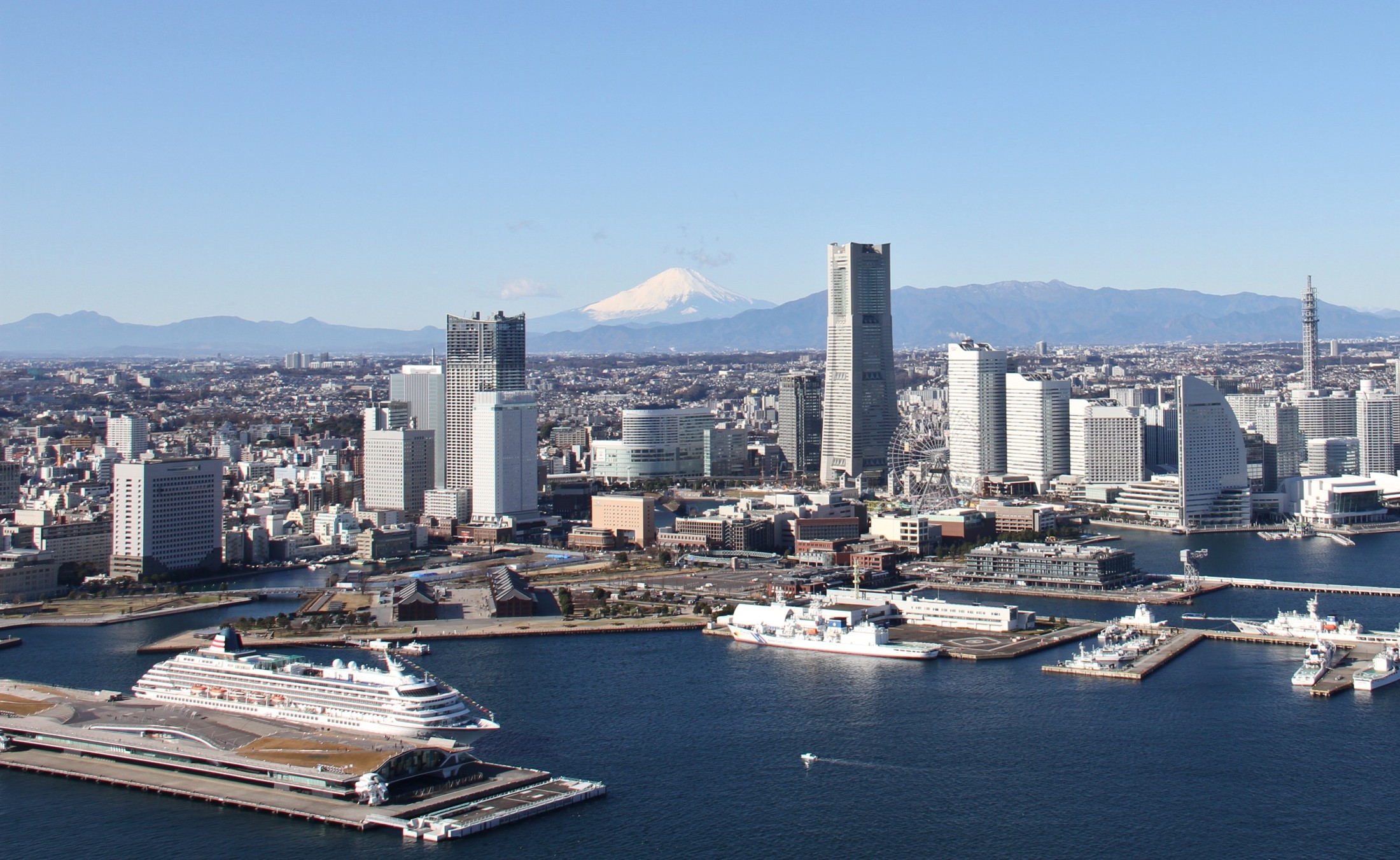
The Minato Mirai 21 (MM21) district in Yokohama is where diverse stakeholders engage in testing and refining potential answers to that question.
FRY to FLY: Turning Waste into Wings
One of the standout projects is FRY to FLY, an initiative to convert waste cooking oil into Sustainable Aviation Fuel (SAF). According to the JGC official website, SAF can reduce lifecycle CO2 emissions by approximately 80% compared to conventional jet fuels. In Japan, the project was launched by JGC Holdings Corporation, headquartered in MM21, and is open to participation by any municipality or company.
Yokohama City joined the project in April 2023. Since June 2024, we have partnered with Japan Airlines (JAL) and local supermarkets to collect waste oil from households. To ensure high-quality recycling, the city provides reusable collection bottles rather than single-use plastic containers, which can compromise recyclability once contaminated with oil.
As of October 2025, we have set up 23 collection points and recovered about 7,900 liters of oil.
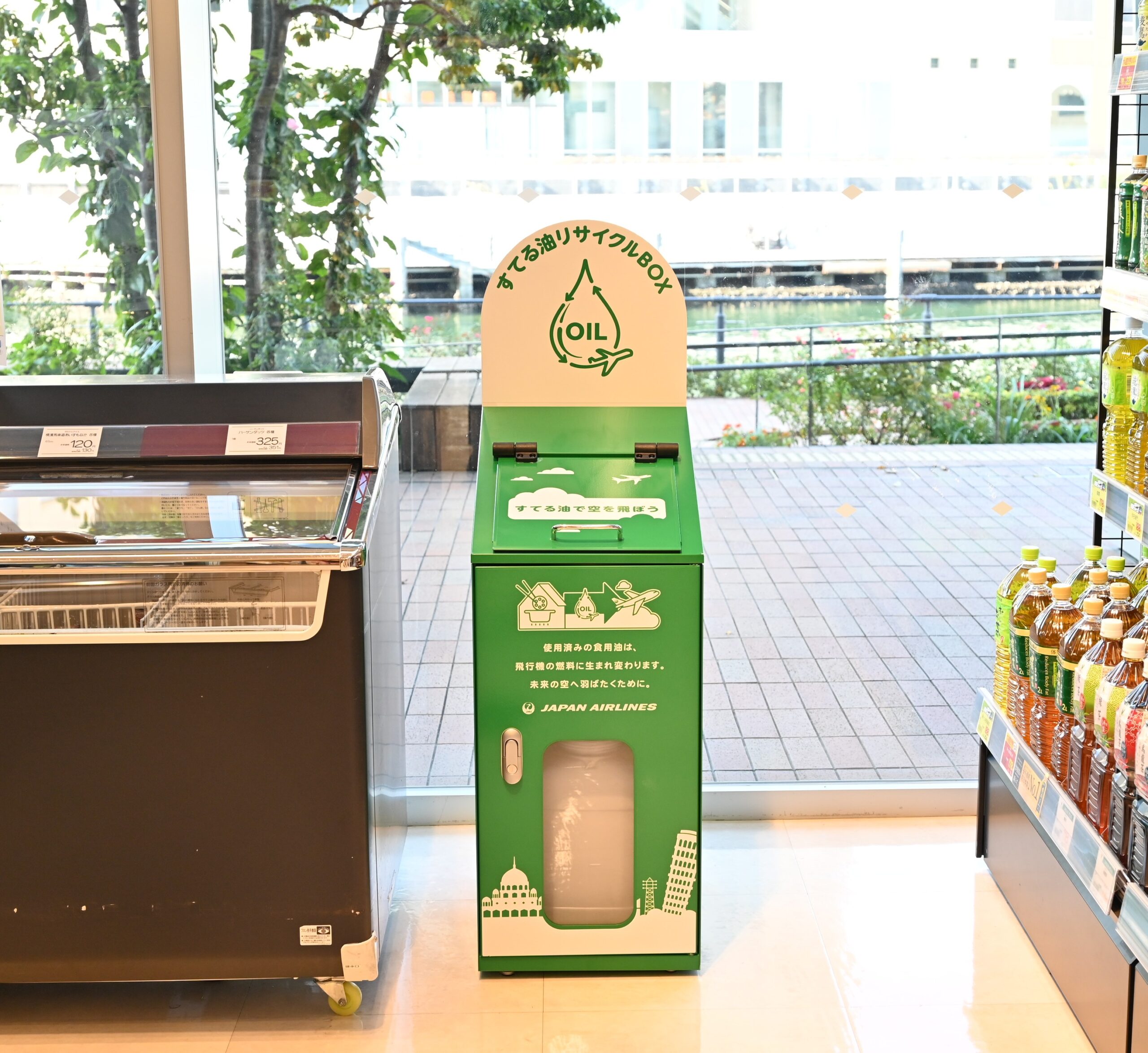
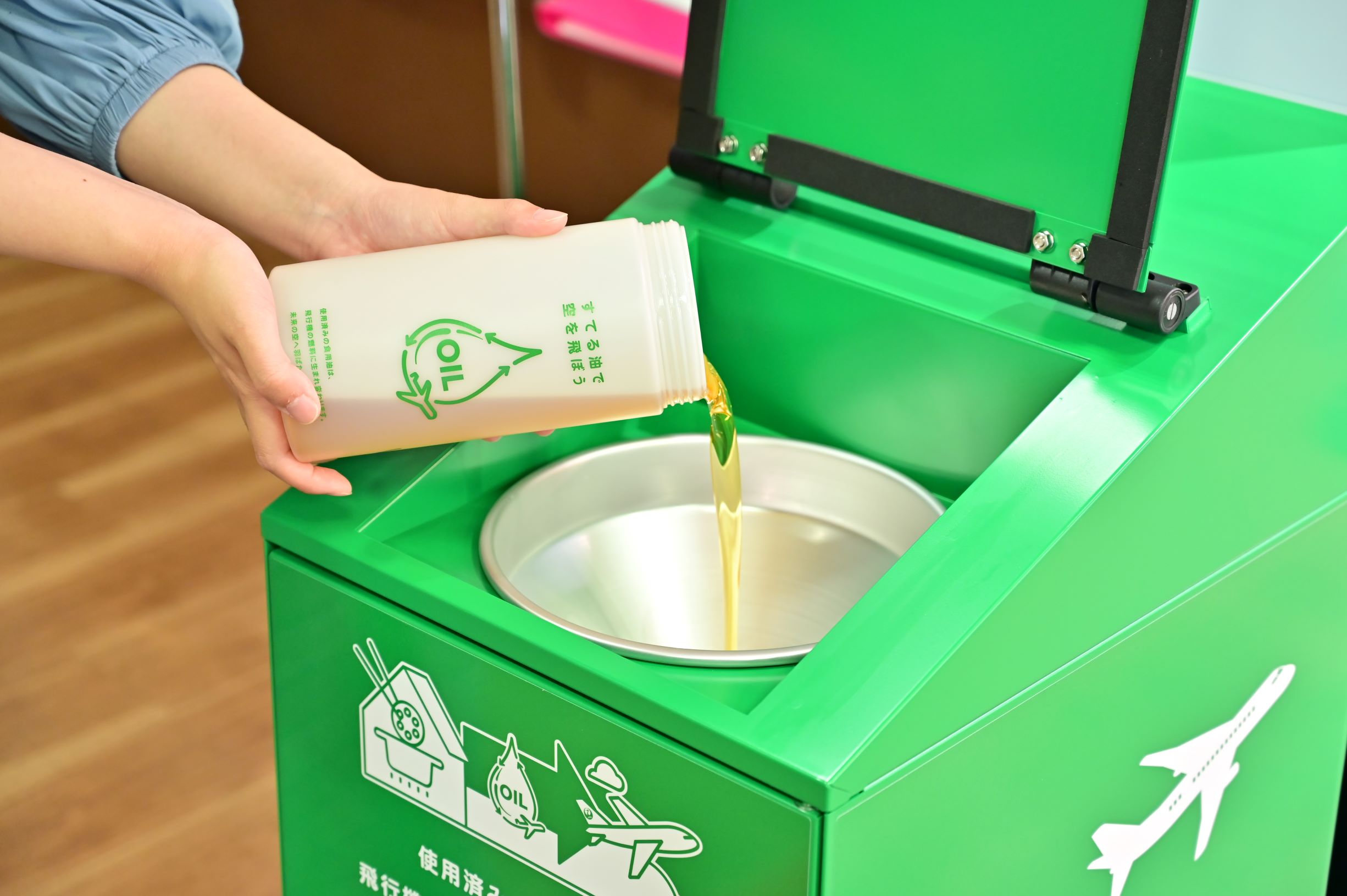
“To make participation easy for citizens, we need more collection points. We proactively visit local supermarkets to advocate for the program. We also collaborate with local schools and sports teams to raise awareness.
“When launching new collection sites, we work with JAL staff to distribute dedicated collection bottles as well. Through direct conversations with residents, we can see that awareness of SAF is growing. It is becoming a gateway for citizens to engage in resource circulation in their daily lives.”

It is a platform for showcasing everyday actions that contribute to decarbonization and circularity, helping community members learn from each other and spread their practices through websites, social media, and hands-on participatory events.
Data as the “Common Language” for Urban Transition
To strengthen circularity at the district level, Yokohama has launched the Minato Mirai Circular City Project (MMCC). This is Japan’s first Material Flow Analysis (MFA) for a single urban district.
By mapping what resources enter, are consumed in, and leave MM21, the city can identify inefficiencies and opportunities.
In 2024, the city partnered with 13 major facilities, including office buildings and commercial complexes, to collect and analyze waste data.
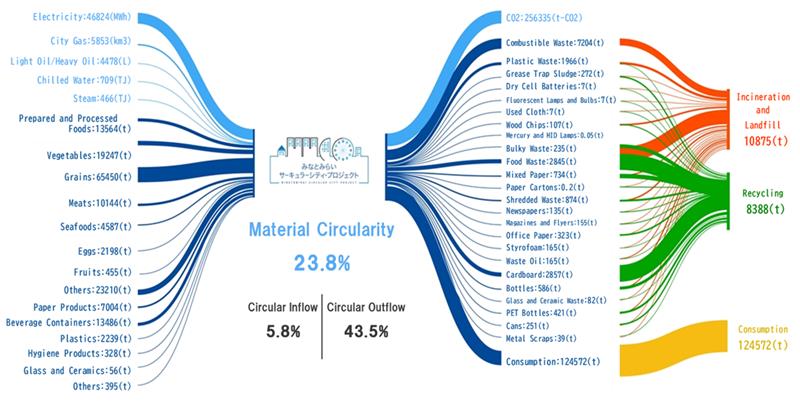
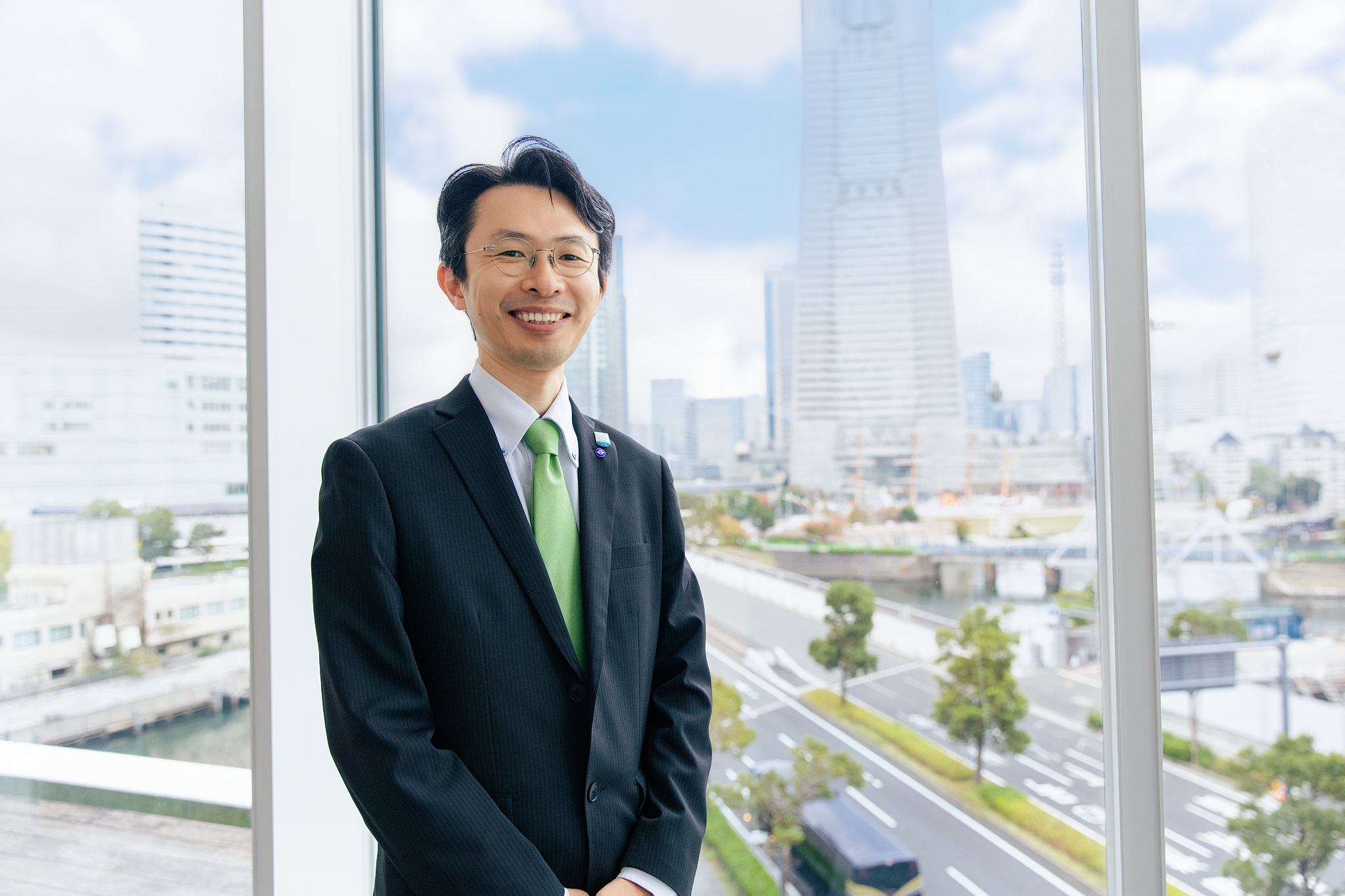
“The MM21 district includes many of the places that represent Yokohama, like hotels, commercial facilities, and the headquarters and R&D centers of global companies with high environmental awareness. We have been working in coordination with these organizations and area management groups to promote resource circulation in the city.
“Until now, urban cities have been viewed as centers of consumption. However, in a circular society, cities must transform into ‘production centers’ for a new loop of resource circulation.
“To improve that circulation, whether through sustainable procurement, better sorting, efficient collection, or upcycling, we first need a map. The MFA provides that map. By using data as a common language, the city government and area management groups can facilitate dialogue among diverse players, including companies and citizens. This allows us to collectively design a better future for our society.”
A New Framework for Asia: The Asian Circular Cities Declaration
The knowledge Yokohama has gained through citizen dialogue and corporate partnerships does not belong to us alone. As a port city shaped by welcoming global cultures, we are committed to contributing to the circular transition across Asia, while also learning from the practical experience of global cities.
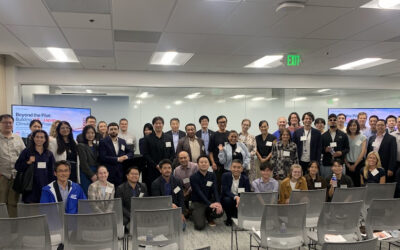
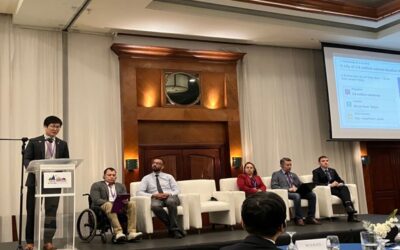
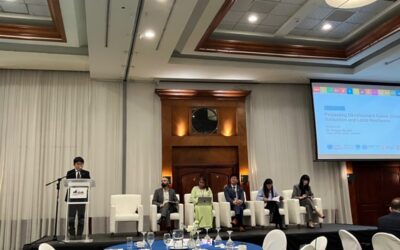
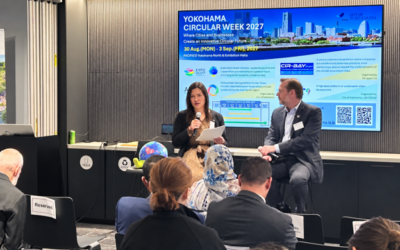
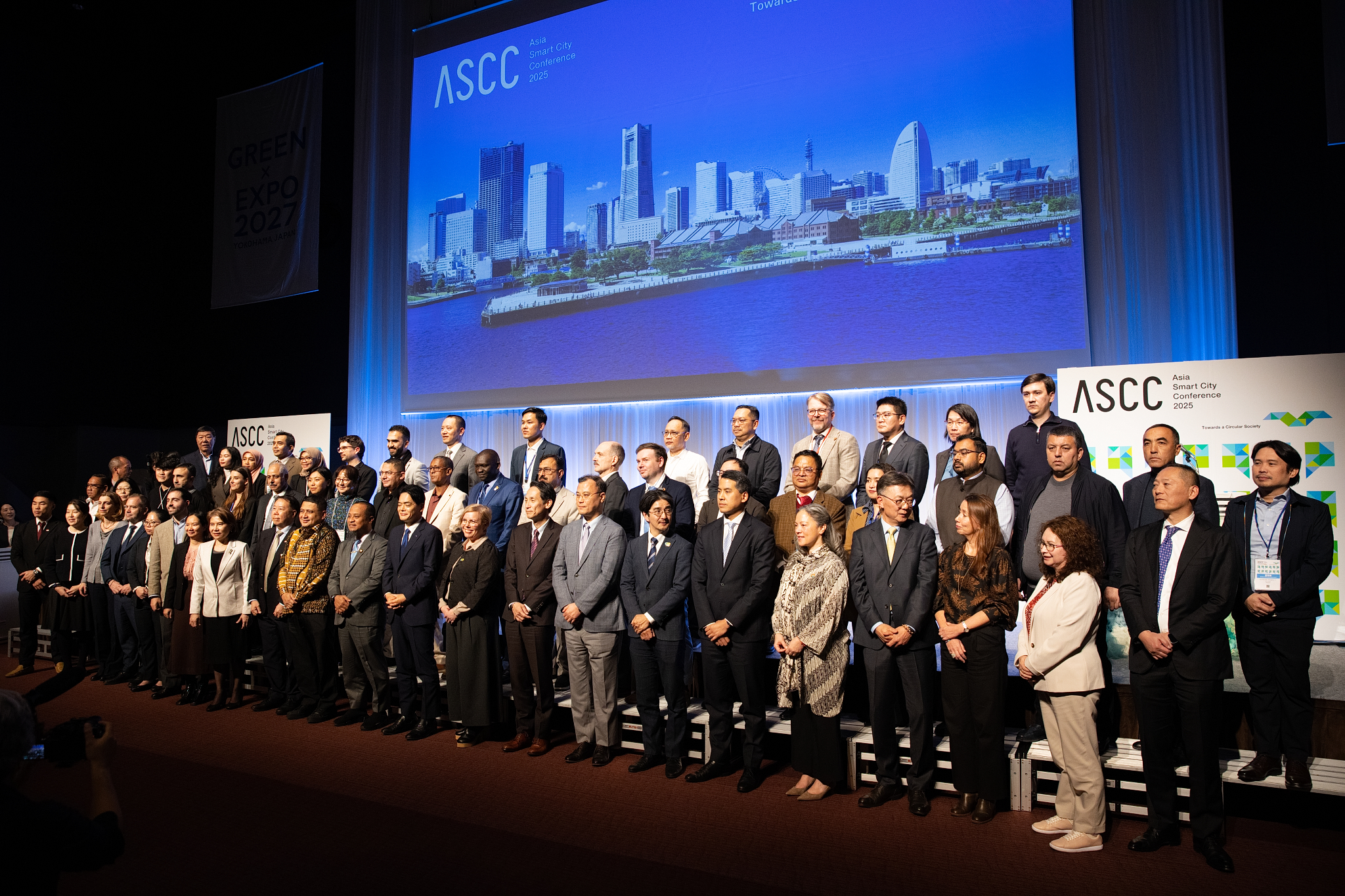
Since 2012, Yokohama has hosted the Asia Smart City Conference (ASCC), a platform that brings together Asian city leaders, international organizations, and private companies to discuss sustainable urban development.
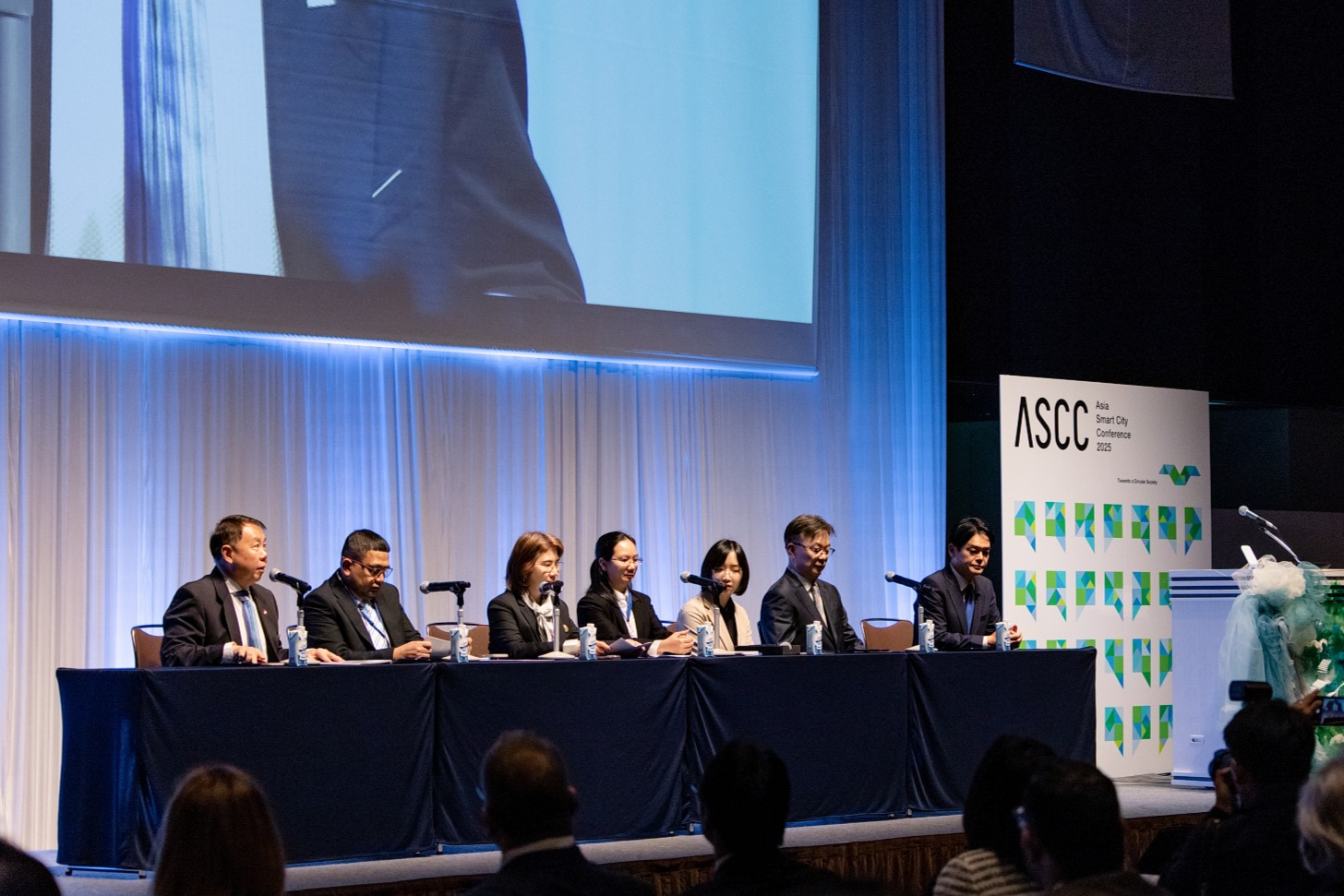
*ICLEI (Local Governments for Sustainability) is a global network of over 2,500 local and regional governments committed to sustainable urban development. It represents local governments at the United Nations and plays a central role in the European Circular Cities Declaration.
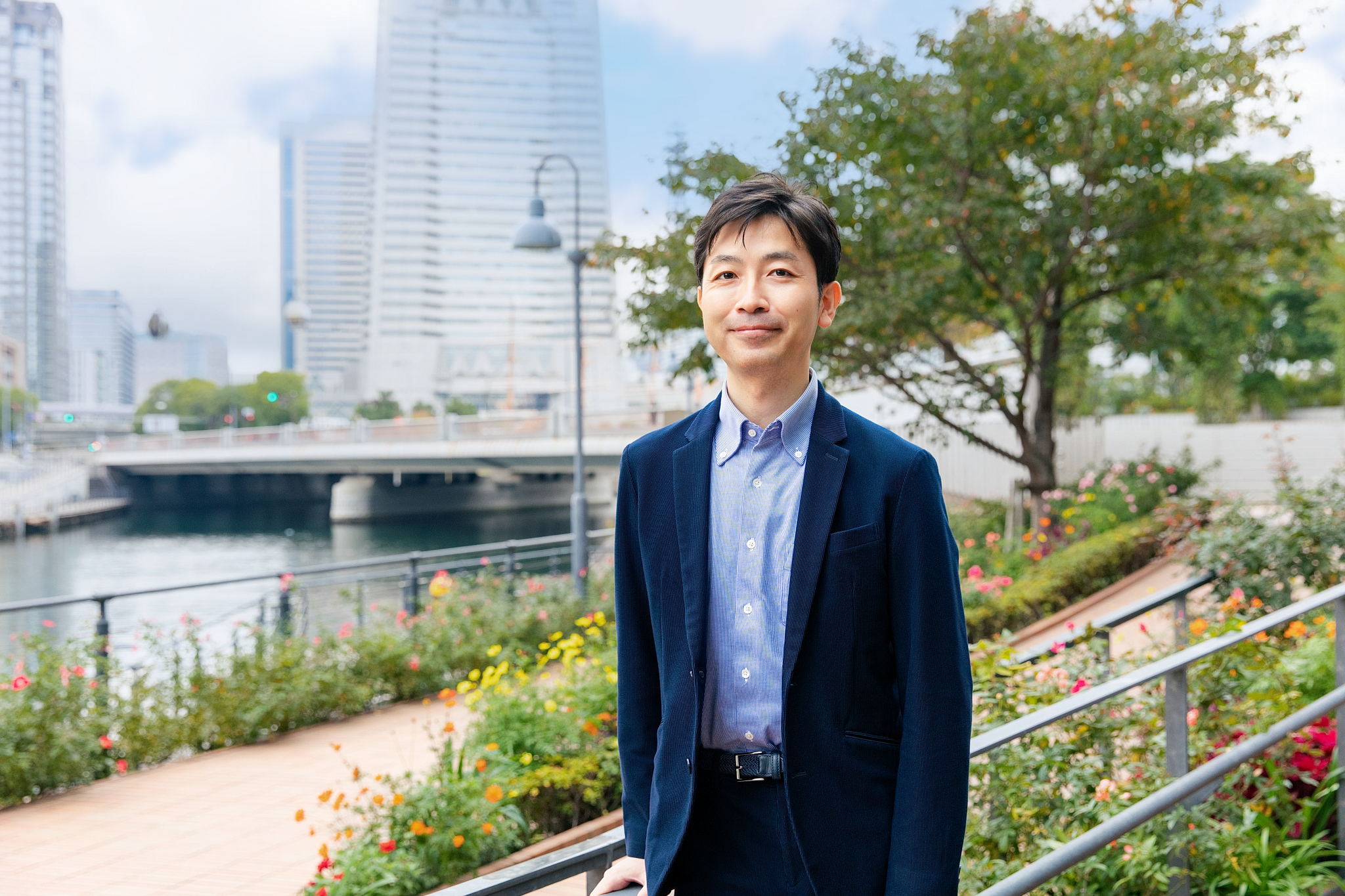
Toshikazu Yazawa, from the International Affairs Bureau, describes the vision:
“At this year’s ASCC, we took on an ambitious challenge: creating a new framework that supports the transition to circular cities across the entire Asian region.
“To build a sustainable society where environment and economy coexist, cities have a unique role to play, because they are close to citizens’ lives and business activities. That is why we believe it was necessary for cities with shared ambitions to form a network and expand the circle of initiatives.
“Furthermore, when cities gathered in this framework deliver their unique perspectives and ‘local voices’ to the world, it contributes constructively to international discussions. We believe such international collaboration holds great potential to enhance civic pride and bring positive impacts to corporate behavior and the local economy.”
Yokohama’s Milestone 2027 and Beyond: Partnering for the Future
Trust, built through sustained dialogue with citizens and businesses, has allowed Yokohama to turn urban memory into value and waste into resources. Now, our next challenge is to extend that trust across the ocean.
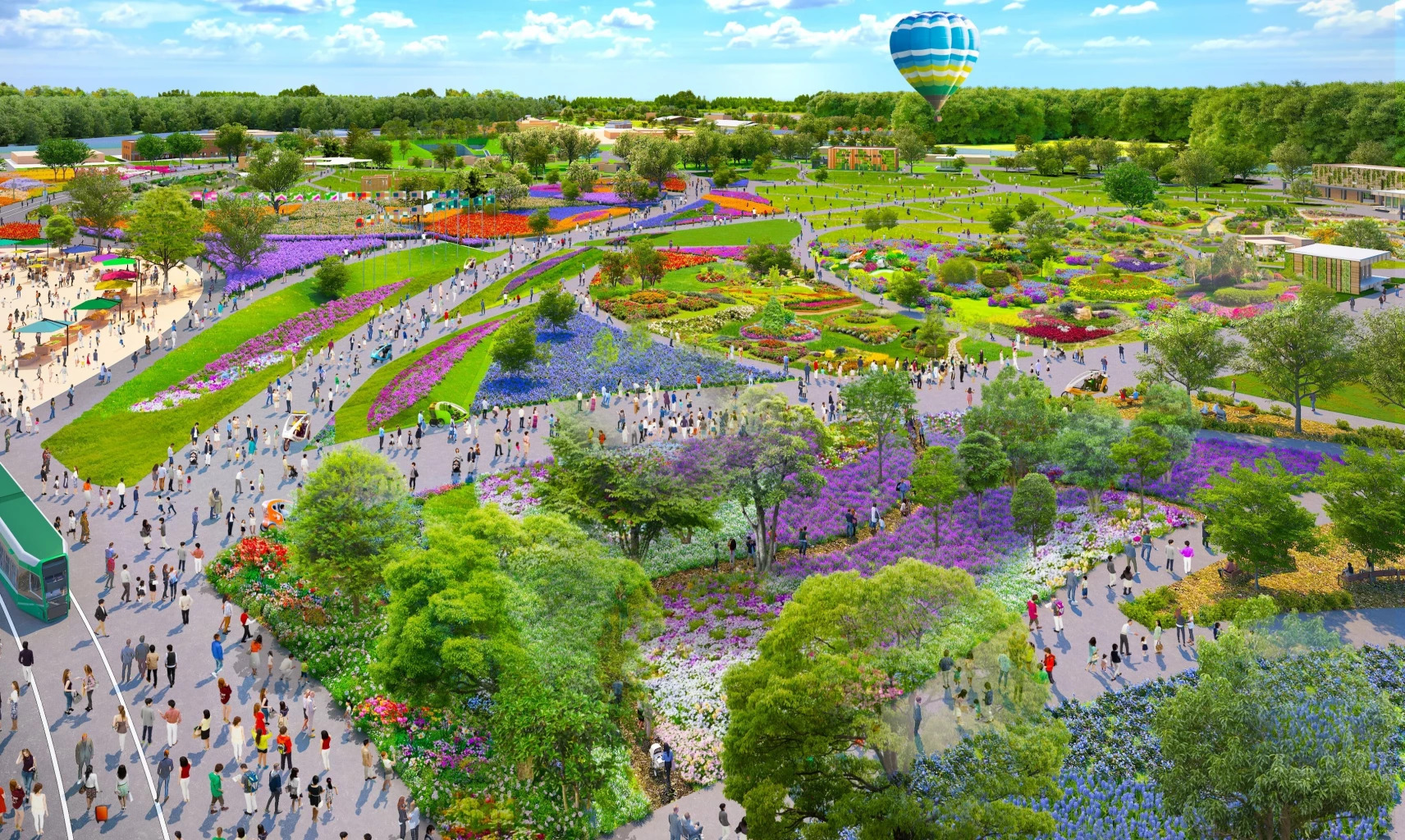
A major milestone on this journey will be GREEN × EXPO 2027 (International Horticultural Expo 2027, Yokohama), to be held in the Kamiseya district located in western Yokohama.
Yokohama is open, and you are always welcome to join us.
Upcoming Dates:
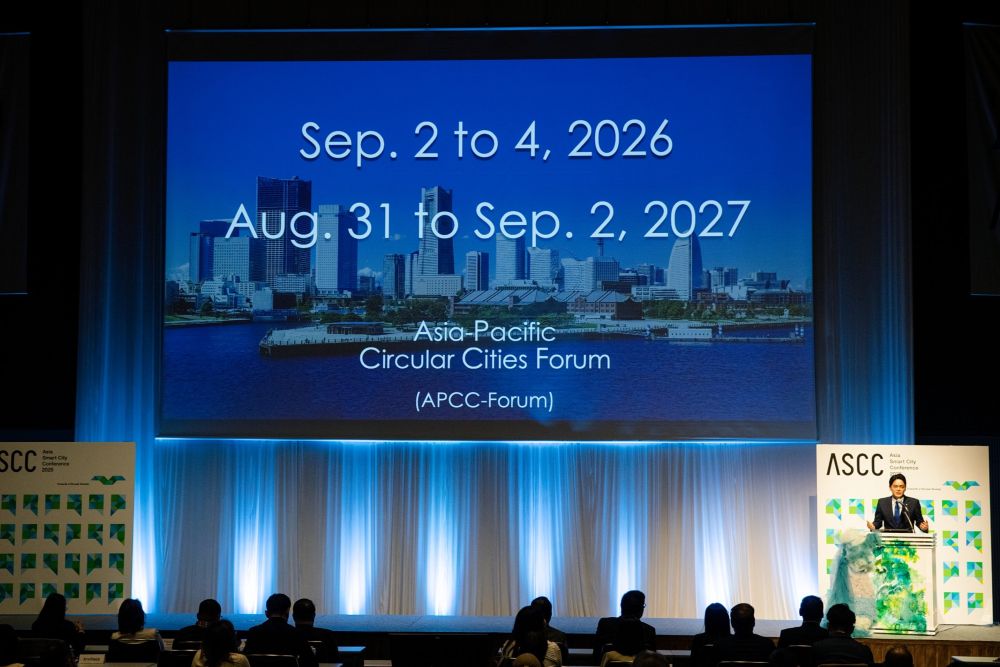
APCC-Forum 2026: September 2–4, 2026
APCC-Forum 2027: August 31–September 2, 2027
Select photography: Chikako Togo
[Reference]
City of Yokohama
- City of Yokohama. (2025, February 13). Accelerating toward a circular society: Japan’s first district-level visualization of resource circulation [PDF].
https://www.city.yokohama.lg.jp/city-info/koho-kocho/press/green/2024/0213_shigen_kashika.files/0002_20250213.pdf
- City of Yokohama. (2025, January 29). “Bottle to Bottle” horizontal recycling initiative in the Minato Mirai 21 district [PDF].
https://www.city.yokohama.lg.jp/city-info/koho-kocho/press/green/2024/0129mm21btob.files/0129mm21btob.pdf
- City of Yokohama. (n.d.). Utilization of waste cooking oil for sustainable aviation fuel (SAF).
https://www.city.yokohama.lg.jp/kurashi/machizukuri-kankyo/ondanka/etc/SAF.html
- City of Yokohama. (2024, June 14). Tourism attractiveness survey: Summary report [PDF].
https://www.city.yokohama.lg.jp/kanko-bunka/miryoku/data/chosa_gaiyo.files/0093_20240614.pdf
- City of Yokohama. (2023, January 26). Community development that makes use of history [PDF].
https://www.city.yokohama.lg.jp/kurashi/machizukuri-kankyo/toshiseibi/design/ikasu/rekishi.files/0060_20230126.pdf
Minato Mirai 21 Area Management
- Minato Mirai 21 Association. (2024). Minato Mirai 21 Information, Vol. 95 [PDF].
https://ymm21.jp/upload/Information%20Vol95_WEB_J.pdf
- Minato Mirai 21 Association. (n.d.). Minato Mirai 21: Information and publications.
https://ymm21.jp/dev/information/
Corporate Initiatives
- Takenaka Corporation. (2025). Circular economy–related exhibition and initiatives [Event page].
https://www.takenaka.co.jp/event/2025/09/01/
- Circular Yokohama. (2024). Memories embedded in school gym floor begin a new journey of circularity—exhibit and workshop at ”Yokohama Architecture Plaza 2024”
https://circular.yokohama/en/2025/04/14/reyo2024/
- JGC Holdings Corporation. (n.d.). Fry to Fly Project: Converting waste cooking oil into sustainable aviation fuel.
https://www.jgc.com/jp/esg-hsse/initiative/fry-to-fly/
Related posts:
 Yokohama’s Circular Journey: How “Civic Power” is Building a Sustainable Future [Part 1]
 Asian Circular Cities Declaration Gains Momentum Ahead of APCC Forum 2026
 The City of Yokohama’s Fourth Consecutive Participation in the “Visit Japan FIT Fair #17”
 Yokohama’s Contribution to the IPCC Special Report on Climate Change and Cities: Mayor reiterated the critical role of cities in tackling climate change