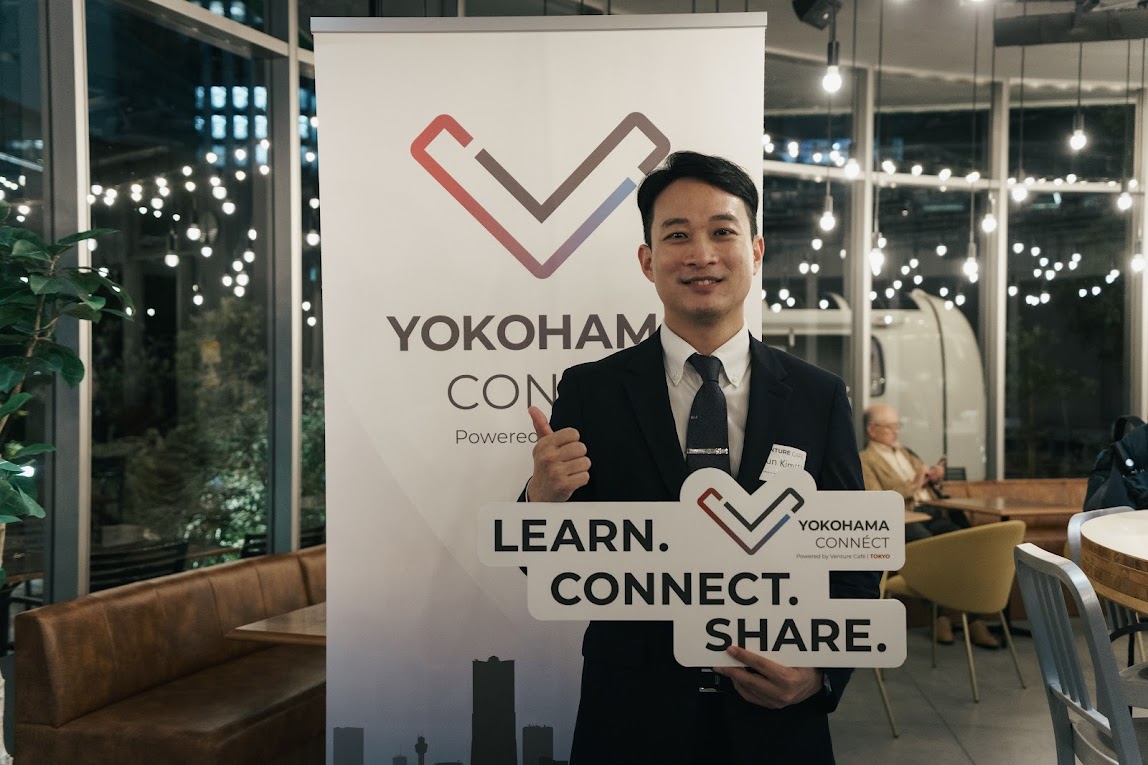
This time, our startup highlight series will take a look at South Korean startup Raven Materials, whose entry into the Japanese market was facilitated by their acceptance into the first cohort of the Yokohama Matching Program.
Who are Raven Materials?
Raven Materials is developing RP; Black TiO₂ (Titanium Dioxide,) a next-generation advanced material designed to replace traditional materials and enable new applications across industries ranging from semiconductors and displays to aerospace, hydrogen production, coatings, adhesives, color-resist and environmental remediation technologies. The company has focused on solving a challenge that had remained largely unresolved for decades: how to mass-produce black titanium dioxide at a commercially viable scale.
According to the company, Raven Materials is the first organization to successfully develop a scalable manufacturing process for the material, opening the door to broader industrial adoption. The material’s ability to respond to visible light rather than only ultraviolet light has attracted interest in applications including air purification, water treatment, green hydrogen production, self-cleaning surfaces, and energy technologies.
Yokohama as a Gateway to the Japanese Ecosystem
Nearly a year after participating in the Yokohama Matching Program, founder Dylan Kim says Japan has become one of the company’s most important markets.
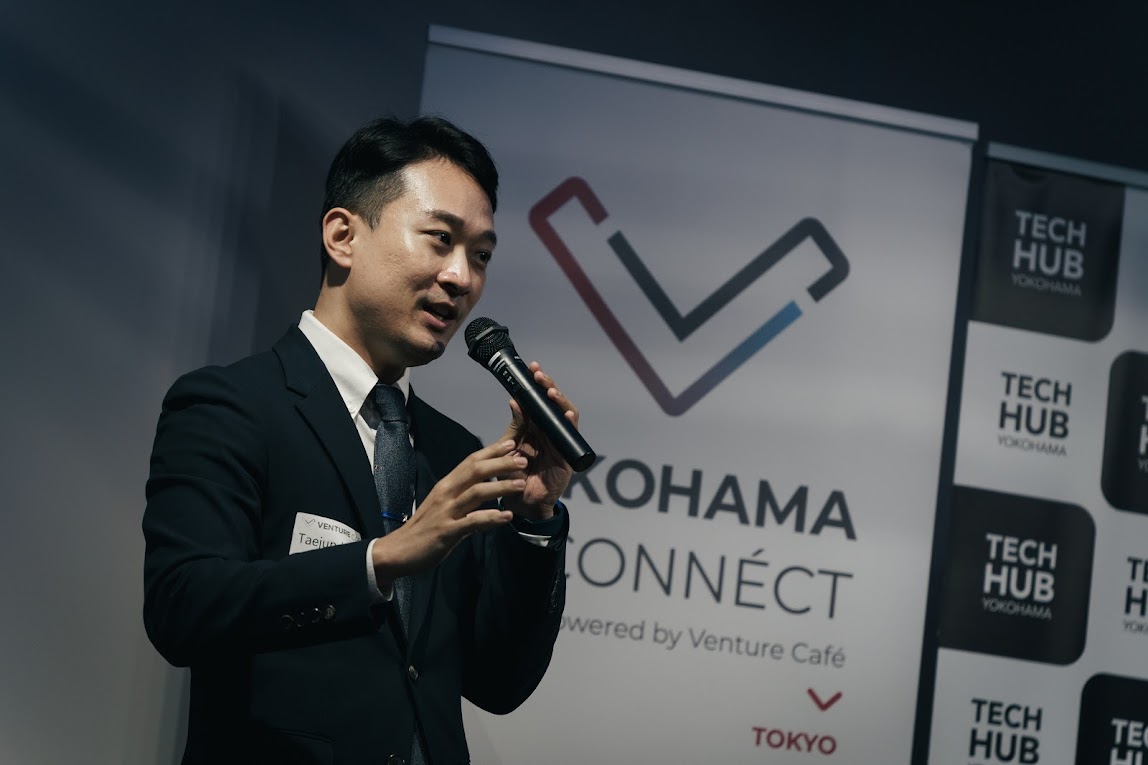
Dylan Kim, CEO and Founder of Raven Materials
“Japan is the number one country that I’ve experienced for materials science and chemistry,” Kim said. “Japanese companies are willing to take a deep dive into the technology and really understand what you’re building.”
For Kim, one of the program’s greatest strengths was its emphasis on making the right connections. Through the guidance of mentorship provided by the Yokohama Matching Program, such as that provided by Akihiro Hikita of Yokohama-based company COSIMO LLC, Raven Materials was able to connect with industry professionals and potential partners who understood both the potential applications of their Black TiO₂ technology and the market opportunities available in Japan.
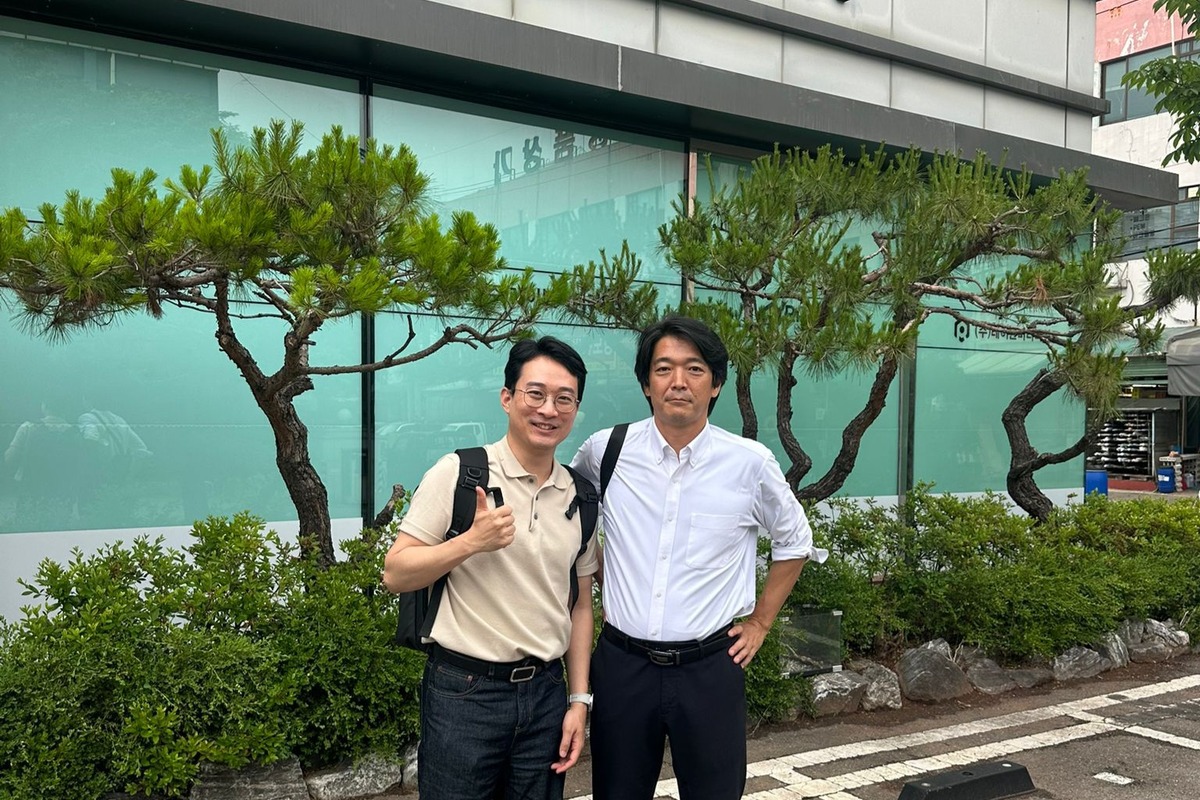
CBC’s Visitation to Raven Materials’ Incheon Factory
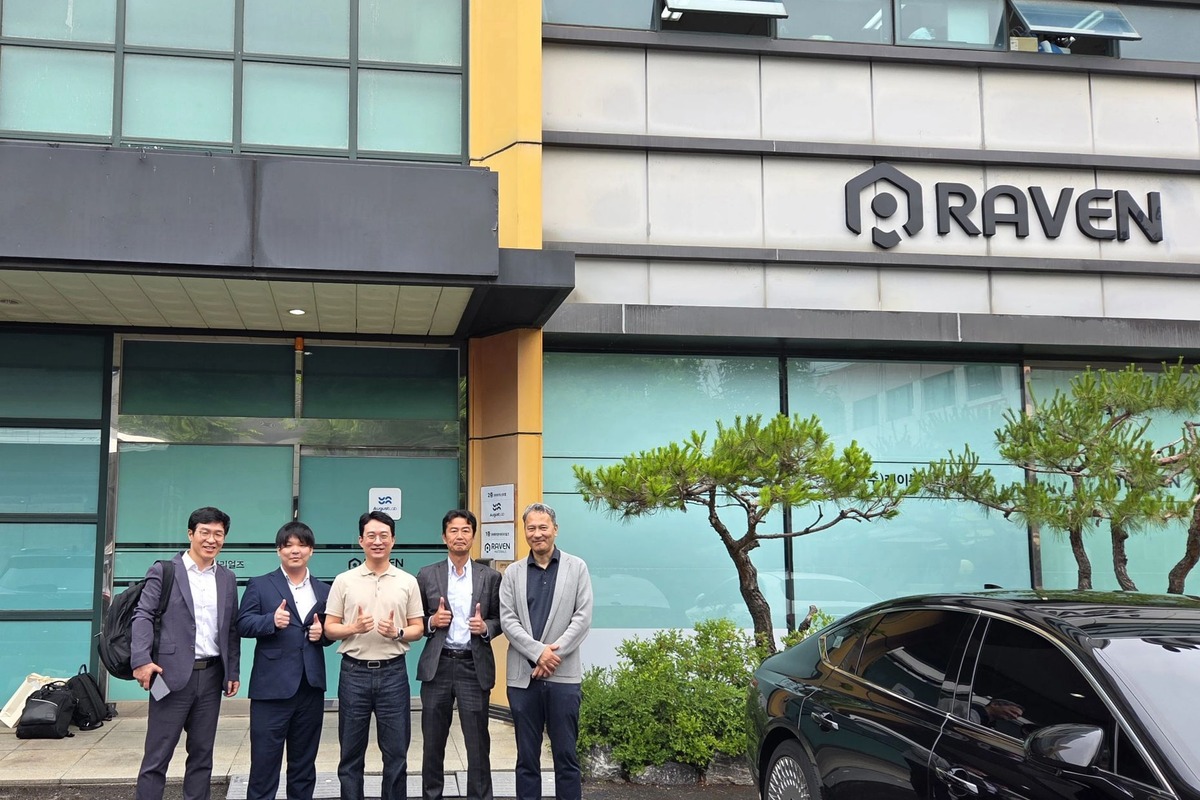
Visitors from Miki Sangyo at the Raven Materials Incheon Factory
“Hikita-san introduced me to the right people from the very beginning,” Kim recalled. According to Kim, these opportunities to connect startups with relevant industry stakeholders were one of the most valuable aspects of the Yokohama Matching Program. The Yokohama Matching Program, and greater Yokohama Innovation ecosystem help its overseas startups connect with advisors like Hikita and COSIMO to help them with their entry into Japan. These connections have since evolved into multiple ongoing proof-of-concept projects across a variety of sectors, including coatings, hydrogen production, advanced materials, and industrial applications.
Connections in Yokohama Lead to Real Results
Kim also highlighted the role of Tech Hub Yokohama in helping facilitate meaningful connections. During visits to Japan, he was able to meet representatives from major corporations in a more accessible environment than would typically be possible through traditional business channels.
“Tech Hub gave me opportunities to have direct conversations with people from large Japanese companies,” he said. “Those kinds of connections are very difficult to make otherwise.”
Today, those conversations have grown into active collaborations. According to Kim, Raven Materials is currently working with approximately eight to nine major Japanese corporations on proof-of-concept (POC) projects. In fact, the company now has more active corporate projects underway in Japan than it does in South Korea, where the company was founded.
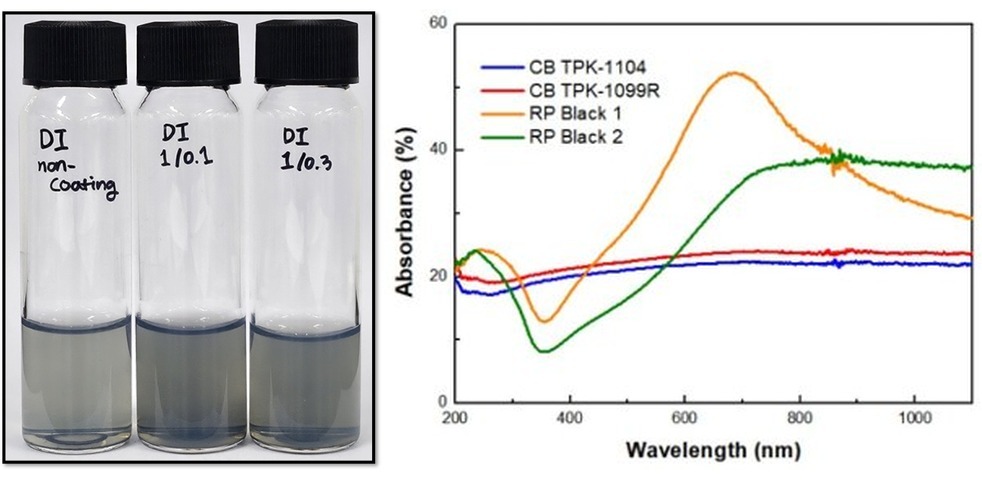
RP (Raven materials’ black TiO2 shows 200% higher visible spectrum absorption with IR transmission compared to existing commercial black matrix of the OLED industry
Several of these projects focus on practical industrial applications for Raven Materials’ proprietary RP (Black TiO₂) technology. One planned PoC with Japanese Company A will evaluate self-cleaning surface coatings that utilize the material’s super-hydrophilic properties, enabling rainwater-assisted cleaning of building surfaces.
In the display industry, Raven Materials has begun supplying samples to Japanese Company B while advancing a PoC related to color-resist applications.
Additional discussions are underway with Japanese Company C regarding air-purification filters that utilize RP’s visible-light photocatalytic capabilities.
Beyond these projects, Raven Materials is conducting trials and business development activities with more than ten additional major Japanese companies across sectors including green hydrogen production, solar energy, aerospace materials, advanced coatings, and next-generation industrial technologies.
Why Yokohama?
While Tokyo is often viewed as the center of Japan’s startup ecosystem, Kim believes Yokohama offers unique advantages for international founders. He described the city as less crowded than other cities of its size, highly livable, and increasingly attractive to both global talent and major corporations. Yokohama benefits from full access to the talent, capital, and business opportunities of the Greater Tokyo ecosystem, being only 30 minutes away from central Tokyo by train, while also offering a highly livable environment. As Japan’s second-largest city, it provides a balance between urban scale and quality of life that many international founders find attractive.
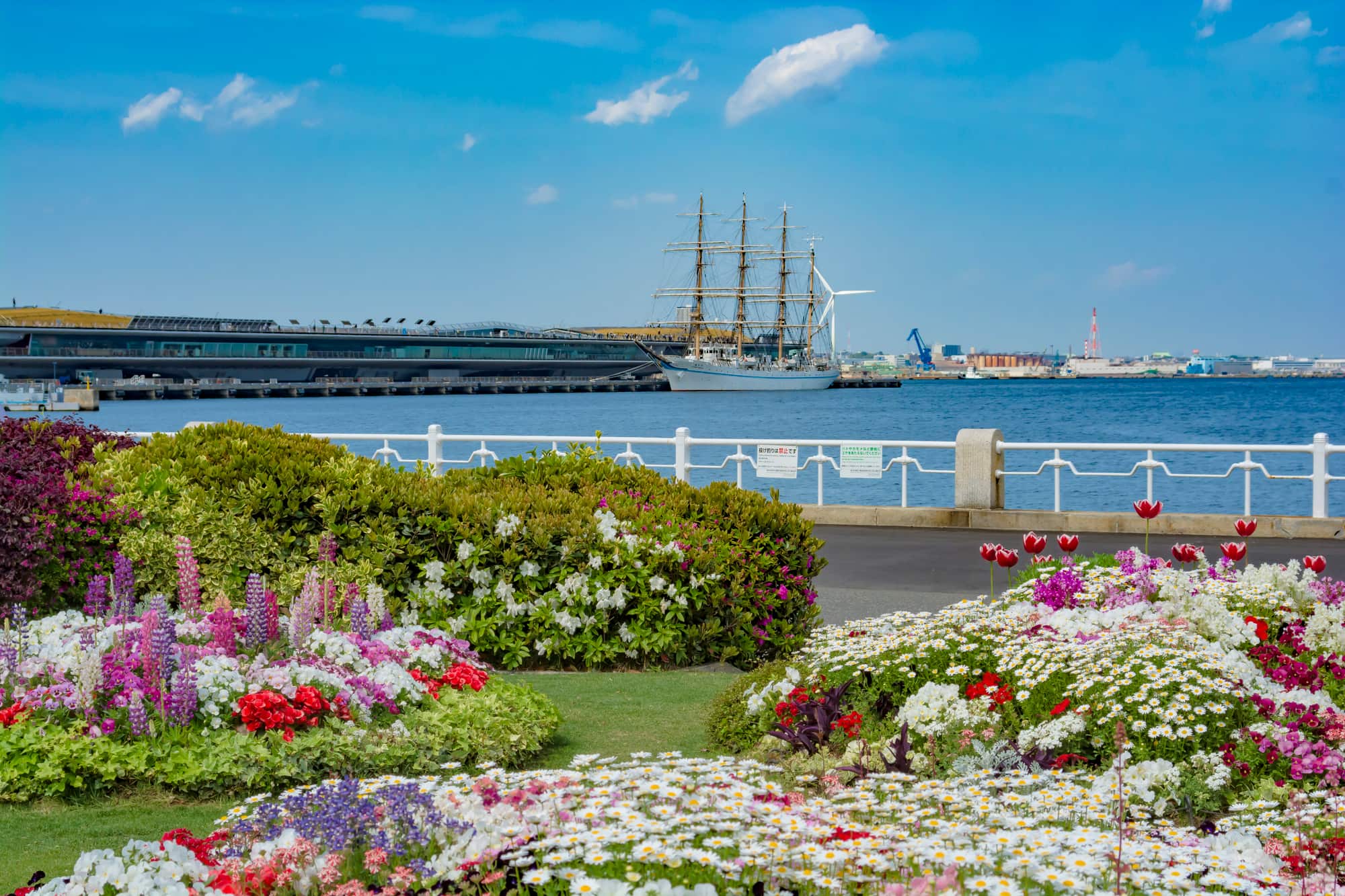
Yokohama’s Yamashita Park
Kim also cited Yokohama’s livability as one of its key attractive features, saying “Not only is it much less crowded, but huge companies are also beginning to move to Yokohama from other places, so they have many jobs. I have also heard that there is a great international school for kids there. If I have the chance, before I list my company on the market, I want to get an apartment in Yokohama. I’ve already been asking Hikita-san which areas would be good for my kids, I’m not lying!” he added, laughing. Dylan also expressed his strong interest in establishing his company’s presence in Yokohama more in the near future.
Yokohama has also been consistently ranked as the #1 Place to Live in the Greater Tokyo Metropolitan Area 8 years in a row by SUUMO. (Article in Japanese)
How Startups can Follow in Raven Materials’ Footsteps
Looking ahead, Raven Materials plans to continue expanding its relationships with Japanese companies while exploring future fundraising and market-entry opportunities. Kim says his dream is to one day list his company on the Japanese stock market.
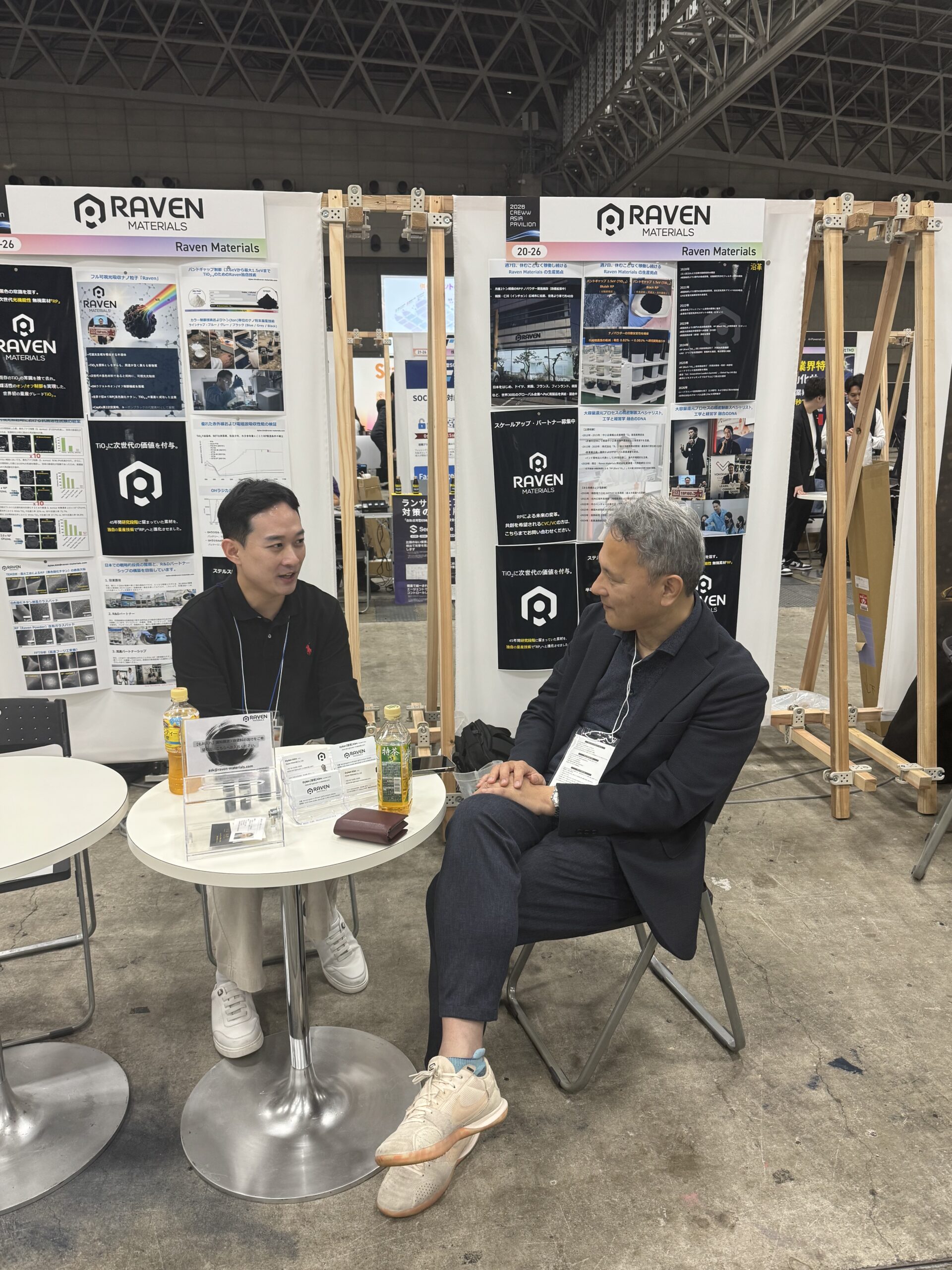
Raven Materials’ Booth at Startup Expo Japan
Kim had one piece of very important advice for startups who wish to follow in Raven Materials’ footsteps and break into the Japanese ecosystem: be honest.
“Don’t exaggerate what you have,” he said. “Be clear about what you can do and what you can’t do. If the technology is interesting, Japanese companies will work with you and help you develop it further.”
For the Yokohama Matching Program, Raven Materials’ experience demonstrates the value of targeted introductions and long-term relationship building. A year after participating in the program, the company has fostered active collaborations with some of Japan’s leading industrial organizations. It is exactly outcomes such as this that the program was designed to support.
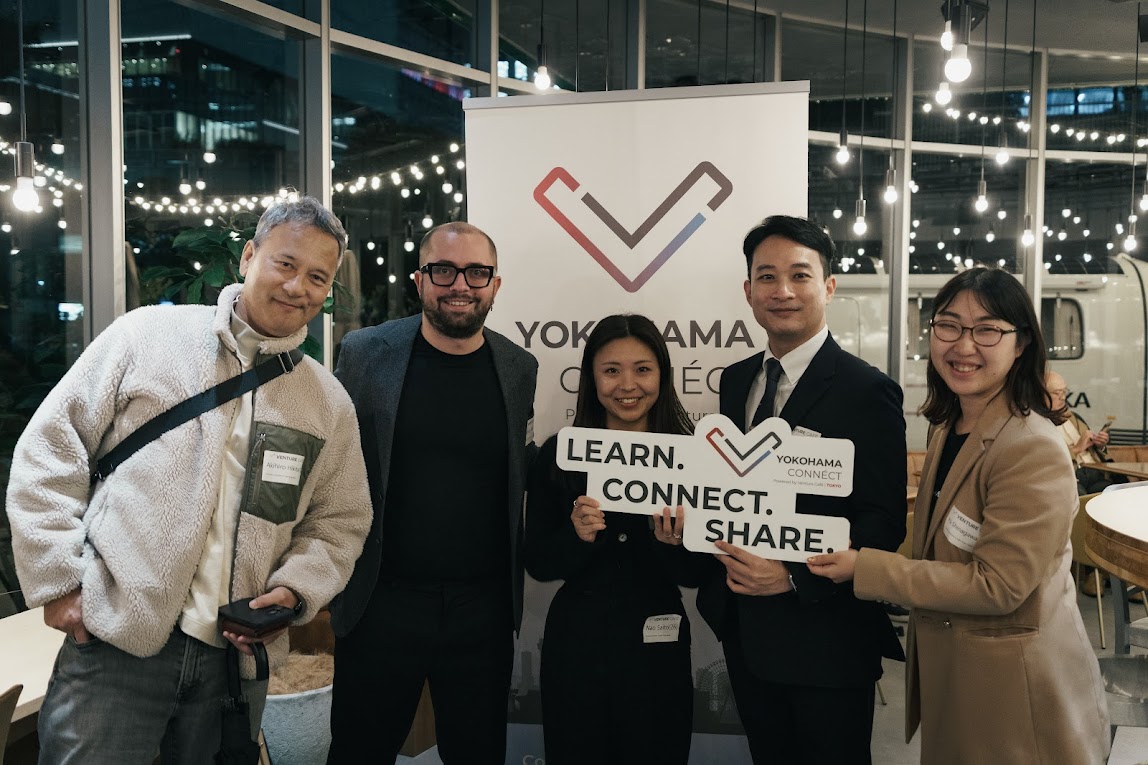
Applications for the 2026 Cohort of the Yokohama Matching Program will begin on June 30th! We encourage all startups with an interest in expanding into Yokohama or Japan as a whole to apply.
*Company names not disclosed due to confidentiality agreements and ongoing business discussions.