
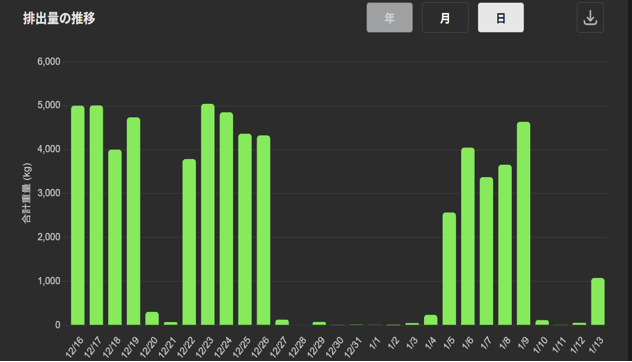
The City of Yokohama has begun full-scale implementation of a digital waste management system across approximately 1,200 city-related facilities, marking a major step forward in administrative efficiency and circular economy promotion.
Starting April 1, 2026, the new system centralizes waste-related data that had previously been managed separately through paper records and spreadsheets. By digitizing around 400,000 administrative processes annually, the city expects significant reductions in staff workload while improving accuracy and transparency.
The system enables on-site staff to easily input waste data, automatically sorts information by facility and waste type, and shares data directly with collection contractors. It also links with Japan’s electronic manifest system, allowing waste flows to be tracked seamlessly from discharge to final treatment.
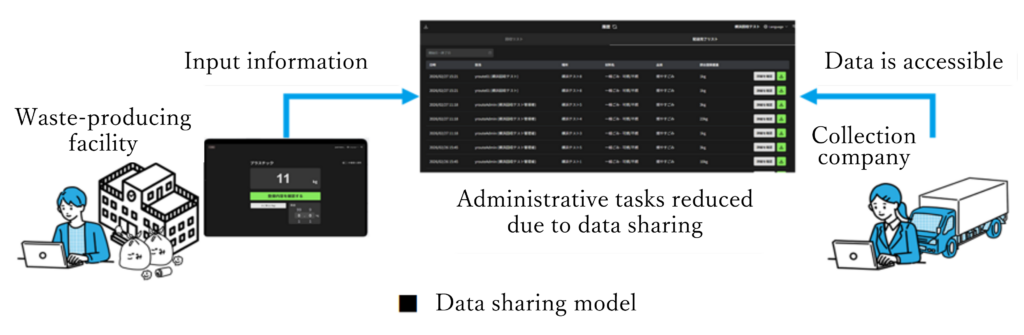
A test run conducted at around 200 facilities from December 2025 demonstrated a reduction of approximately 70% in time spent on waste-related administrative tasks.
Beyond efficiency gains, the collected data will support more detailed analysis of waste composition and volumes. This will enable the city to refine sorting practices, increase recyclable material recovery, and explore future applications such as AI-assisted route optimization for waste collection.
By leading this initiative within its own facilities, Yokohama aims to serve as a model for sustainable urban management and to accelerate progress toward a circular, low-carbon society.
Related posts:
 Yokohama Featured in Brazilian Media — Highlighting Sustainability Initiatives Including GREEN×EXPO 2027
 Yokohama City visualizes resource circularity in Minato Mirai
 Yokohama’s Circular Journey: How “Civic Power” is Building a Sustainable Future [Part 1]
 Yokohama Hosts “the 5th Net Zero Emissions Workshop” at Bangkok Climate Action Week